Your garage door spring just broke, you're probably wondering: how long is this going to take? The short answer is that a straightforward torsion spring replacement takes between 45 minutes and 90 minutes once the technician arrives.
2026-01-26
Garage Door Rollers: Steel vs Nylon - Which Should You Choose?
When was the last time you thought about your garage door rollers? If you're like most homeowners, probably never. But these small wheels that guide your door up and down the tracks play a big role in how smoothly and quietly your garage door operates.
If your garage door is noisy, shaky, or just doesn't feel right when opening and closing, worn-out rollers might be the culprit. Let's look at the different types of garage door rollers and which ones make the most sense for your Central Michigan home.
What Do Garage Door Rollers Do?
Rollers are the wheels mounted on either side of your garage door that ride along the vertical and horizontal tracks. A typical residential garage door has 10-12 rollers. As your door opens and closes, these rollers bear the weight and guide the door smoothly along its path.
Over time, rollers wear out from constant use. When they do, you'll notice increased noise, rougher operation, or even binding where the door gets stuck partway.
Types of Garage Door Rollers
There are two main types of rollers used on residential garage doors: steel and nylon. Within those categories, there are variations in quality and features.
Steel Rollers
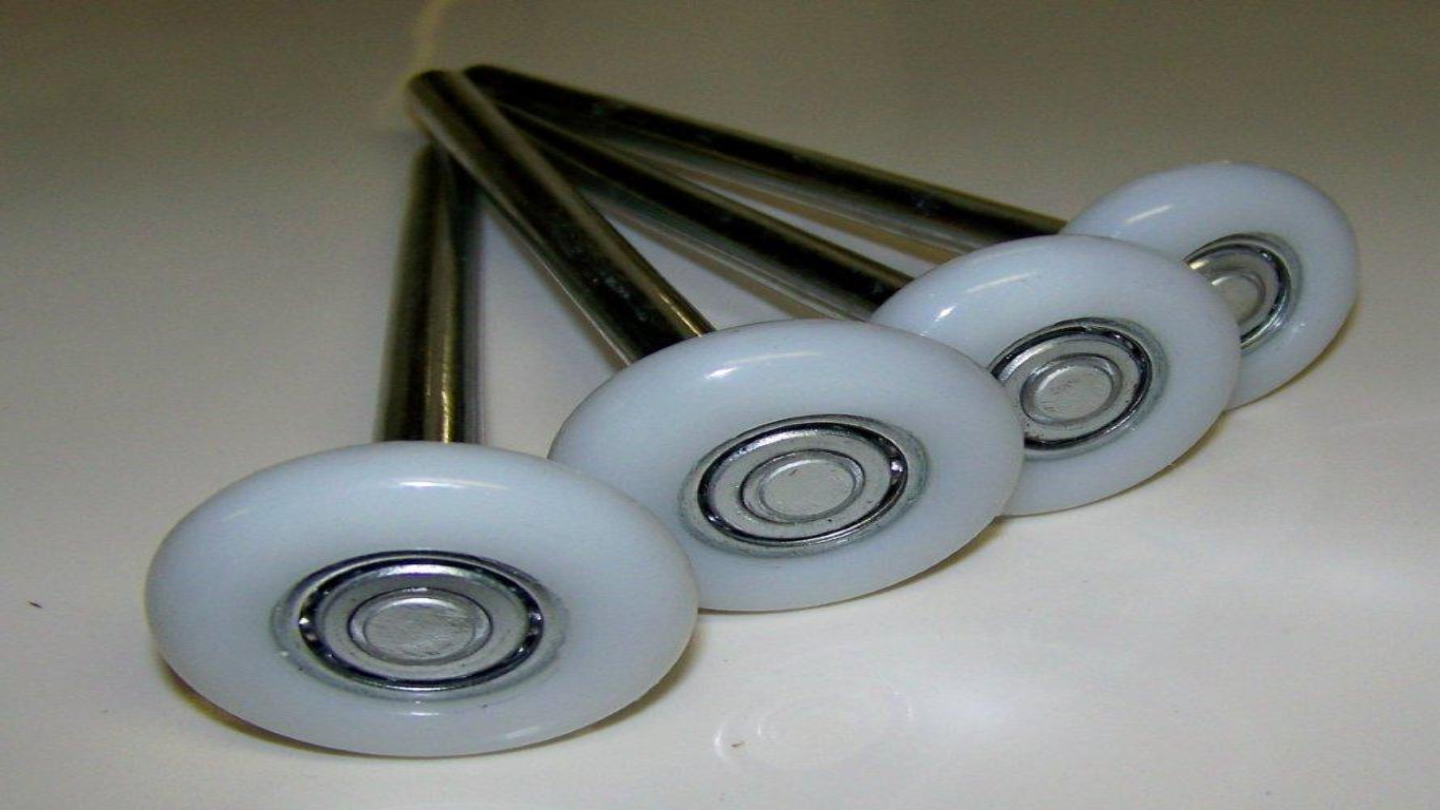
Steel rollers are what you'll find on most older garage doors and budget installations. They're simple: a steel wheel on a steel shaft with ball bearings inside.
Pros of Steel Rollers:
Lower upfront cost: Steel rollers are the most affordable option, which is why they come standard on many garage doors.
Durable construction: Steel is tough and can handle heavy doors without issues.
Available everywhere: Any garage door company stocks steel rollers, so replacement is easy.
Cons of Steel Rollers:
Very noisy: This is the biggest drawback. Steel on steel creates a lot of rattling and grinding noise, especially as the rollers age. If your bedroom is near the garage or above it, you'll definitely hear it.
Requires frequent maintenance: Steel rollers need regular lubrication to prevent rust and reduce noise. Skip this maintenance, and they'll get even louder and wear out faster.
Shorter lifespan: Steel rollers typically last 5-7 years with regular use. Once the ball bearings start to wear, the noise gets worse quickly.
Can rust: Moisture in your garage can cause steel rollers to rust, which creates more friction and noise.
Nylon Rollers
Nylon rollers have a steel core and shaft, but the wheel itself is coated with durable nylon. They've become increasingly popular over the past decade, and for good reason.
Pros of Nylon Rollers:
Much quieter operation: This is the number one reason people upgrade to nylon rollers. The nylon coating virtually eliminates the metal-on-metal noise. If you have living space near or above your garage, this upgrade makes a noticeable difference.
Longer lifespan: Quality nylon rollers with sealed bearings can last 12-20 years, often outlasting other components of your door system.
No maintenance required: Unlike steel rollers, nylon rollers don't need regular lubrication. The nylon material is self-lubricating.
Won't rust: The nylon coating protects the roller from moisture, so rust isn't a concern.
Smoother operation: Nylon rollers glide more smoothly along the tracks, which puts less strain on your garage door opener and other components.
Cons of Nylon Rollers:
Higher upfront cost: Nylon rollers cost more than steel rollers, typically adding $100-200 to a full roller replacement job depending on the quality.
Quality varies: Not all nylon rollers are created equal. Cheap nylon rollers with few ball bearings won't last much longer than steel. You want nylon rollers with at least 10-13 sealed ball bearings for the best performance and longevity.
What About Roller Bearing Count?
Whether you choose steel or nylon, the number of ball bearings inside the roller matters. More bearings mean smoother operation and longer life.
7 bearings or fewer: Budget rollers. These are what comes on most new garage doors. They work, but they wear out faster and operate roughly.
10-11 bearings: Mid-grade rollers. A noticeable improvement in smoothness and durability.
13+ bearings: Premium rollers. These provide the smoothest, quietest operation and longest lifespan. If you're upgrading, this is the level worth investing in.
Sealed vs Unsealed Bearings
Sealed bearings have a protective shield that keeps dirt and debris out. Unsealed bearings are exposed, which means they need more frequent lubrication and can wear out faster.
Always choose sealed bearings if you have the option. They cost a bit more but require zero maintenance and last significantly longer.
Which Rollers Should You Choose?
For most Central Michigan homeowners, we recommend nylon rollers with 13 sealed ball bearings. Here's why:
The noise reduction alone is worth the upgrade if you use your garage door regularly. If anyone sleeps near the garage, works from home, or if you come and go early in the morning or late at night, quieter operation makes a real difference in your quality of life.
The longer lifespan means you'll replace them less often, which offsets the higher initial cost. When you factor in 12-20 years of maintenance-free operation versus replacing steel rollers every 5-7 years, nylon rollers often cost less over time.
However, steel rollers make sense if:
- You're on a very tight budget and need basic functionality
- Your garage is detached and far from living spaces where noise isn't an issue
- You're planning to replace the entire door soon anyway
When Should You Replace Your Rollers?
Most people don't think about rollers until they fail completely, but it's better to replace them proactively. Signs you need new rollers:
- Excessive noise: If your door sounds like a freight train, worn rollers are often the cause
- Visible wear: Look for cracked nylon coating, flat spots on the wheels, or wobbly rollers
- Rough operation: If your door shakes, jerks, or binds as it moves
- Door comes off track: Severely worn rollers can allow the door to jump out of the tracks
- Age: If your rollers are 10+ years old (steel) or 20+ years old (nylon), consider replacing them even if they still work
Can You Mix Roller Types?
While it's technically possible to replace just a few worn rollers and leave the rest, we don't recommend it. Mixing old and new rollers creates uneven wear patterns and can throw your door off balance. When it's time to replace rollers, do all of them at once for best results.
What About the Roller on the Bottom of the Door?
You might notice that the bottom roller on each side of your door looks different from the others. These are stem rollers, and they're special because they attach to the lifting cable system. These should only be replaced by a professional because of the high tension involved with the cables.
DIY Roller Replacement?
Replacing most of the rollers on your door is a moderately difficult DIY project if you're handy. However, there are some important safety considerations:
You CAN safely replace: The middle and upper rollers that aren't connected to cables or springs.
You should NOT attempt to replace: The bottom rollers (stem rollers) that connect to the cable system, or any rollers if you're not comfortable working on a ladder with a heavy door.
Most homeowners hire a professional for roller replacement. We can replace all the rollers on a typical door in about an hour, and we have the tools and experience to do it safely.
Get Quieter, Smoother Garage Door Operation
If your garage door sounds like it's about to fall apart, or if you're just tired of the noise every time you open it, roller replacement might be the answer. Isabella Garage Door can assess your current rollers and recommend the best upgrade for your needs and budget.
Want to estimate the cost? Use our EasyEstimate™ tool to get a price range for roller replacement, or give us a call for a free inspection.
Upgrading to quality nylon rollers is one of the best improvements you can make to your garage door. The difference in noise and smoothness is immediate and impressive.
Isabella Garage Door - Making Central Michigan garage doors quieter and smoother, one roller at a time.
You May Also Like
How Long Does Garage Door Spring Replacement Take?

Why We Love Serving Mt. Pleasant, MI
Why Mount Pleasant is special to us
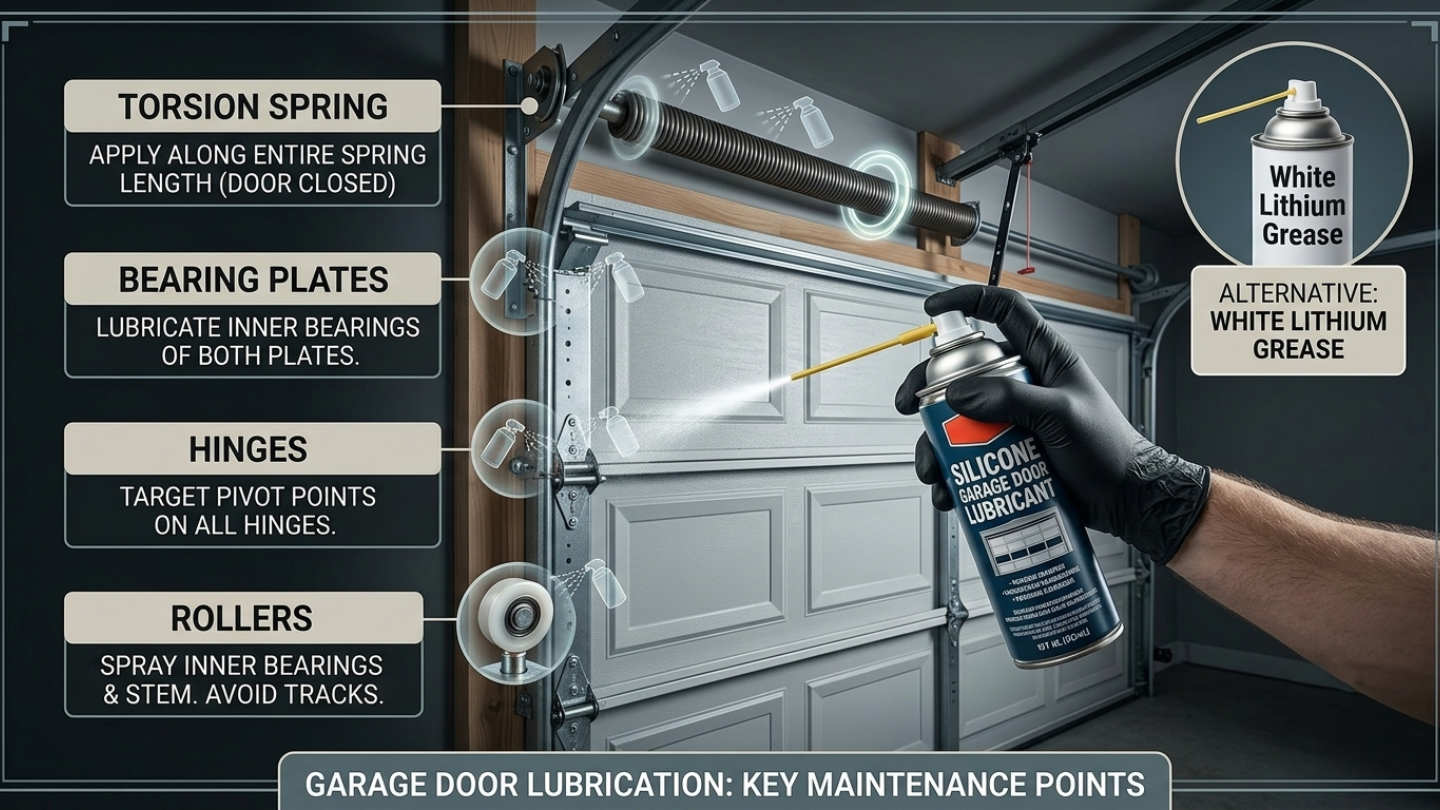
How to Lubricate Your Garage Door (Step-by-Step)
Lubricating your garage door is one of the easiest maintenance tasks you can do as a homeowner — it takes about 15 minutes, costs less than $10, and can add years to the life of your springs, rollers, and opener.