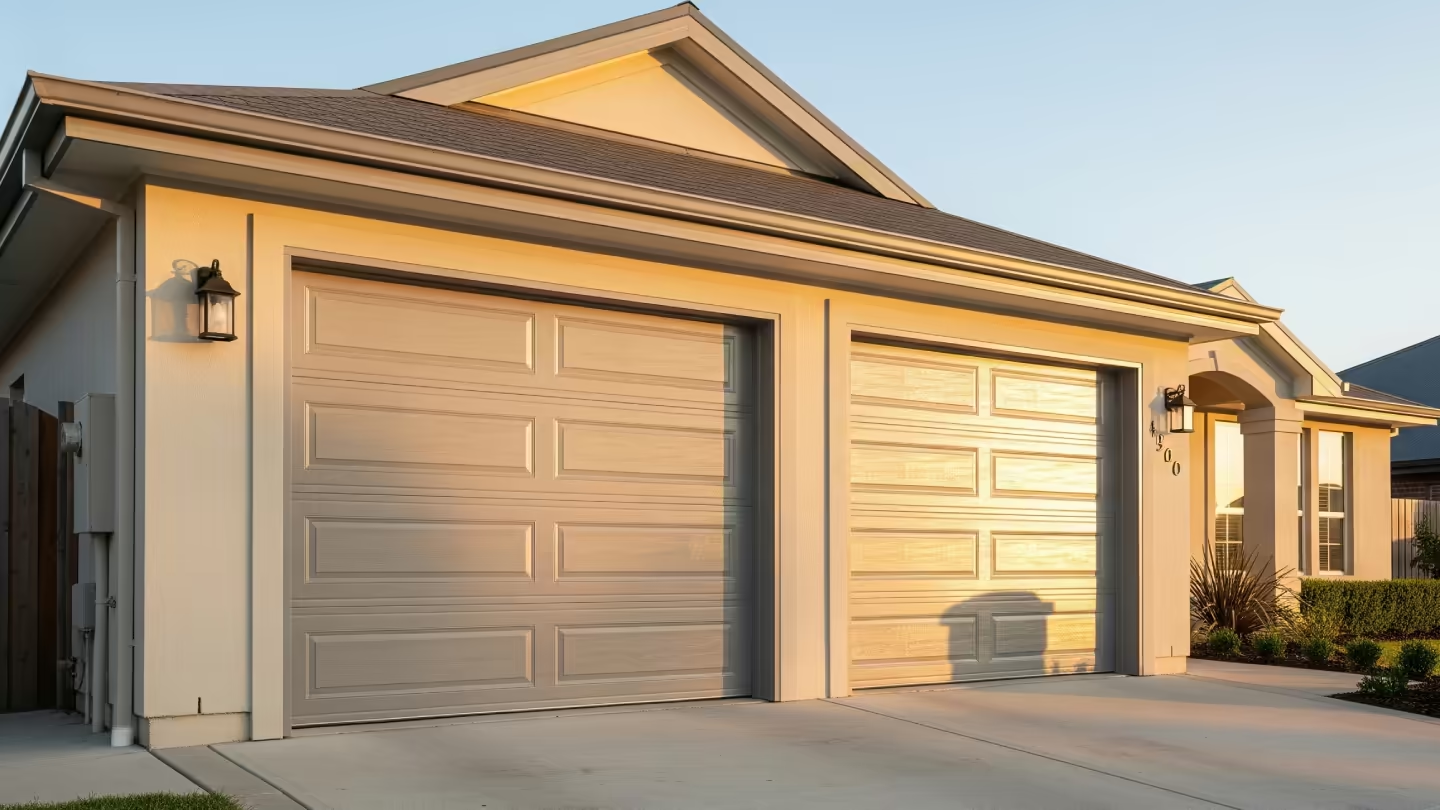
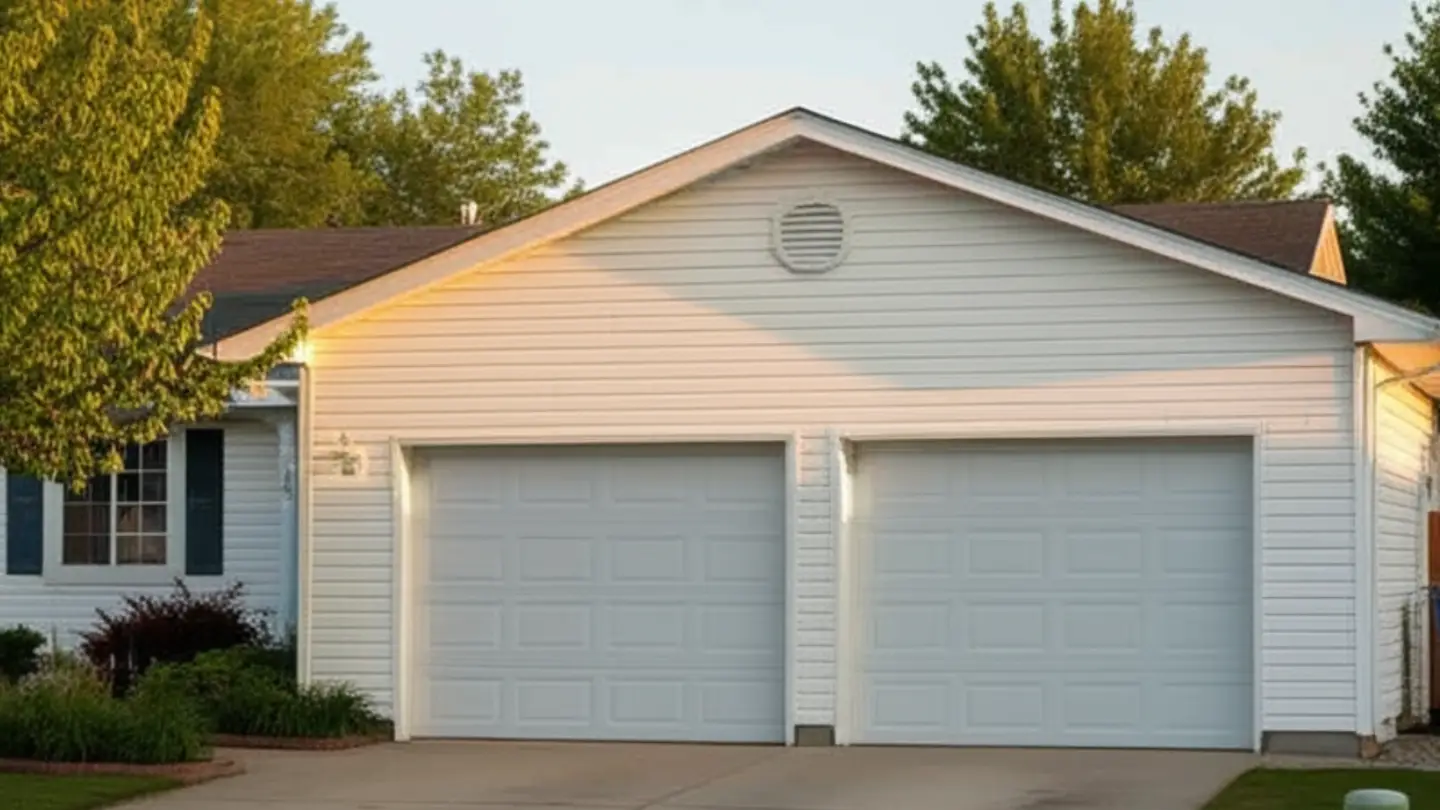
New Garage Door Installation in Mt. Pleasant & Central Michigan
Your garage door is failing, damaged beyond repair, or just outdated and ugly. Maybe you want to boost your home's curb appeal before selling,
or you're tired of a noisy, drafty door. Isabella Garage Door provides professional installation of quality residential garage doors
throughout Mt. Pleasant, Alma, Clare, and all of Central Michigan.
Ready to transform your home's exterior? Call or text us for a free consultation and quote.
Call 989-572-0303
Text Us Now
Professional Installation You Can Trust
A new garage door is one of the best investments you can make in your home—it boosts curb appeal, improves energy efficiency,
and increases home value. But the quality of installation matters just as much as the door itself.
We don't cut corners or rush through installations. Every door is precisely measured, expertly installed, properly balanced, and thoroughly tested
before we leave. Your new door will operate smoothly, quietly, and safely for years to come.
Signs It's Time for a New Garage Door
- Door is severely damaged — dented panels, cracked sections, or structural damage beyond repair
- Constant repairs needed — you've fixed springs, cables, panels multiple times and it keeps breaking
- Door is 20+ years old — outdated safety features, poor energy efficiency, worn beyond reliable operation
- Rust and decay — visible rust holes, rotting wood, deteriorating bottom seal
- Poor energy efficiency — drafty garage, high heating/cooling costs, no insulation
- Safety concerns — lacks modern safety features like photo eye sensors or auto-reverse
- Curb appeal upgrade — outdated style, faded paint, doesn't match your home's aesthetic
- Preparing to sell — new garage door has one of the highest ROI of any home improvement (94% return)
- Excessive noise — loud grinding, scraping, or rattling that can't be fixed with maintenance
Bottom line: If your door is beyond reliable operation, makes your home look dated, or you're planning to sell—a new door is a smart investment.
Choosing the Right Garage Door for Your Home
Garage doors aren't one-size-fits-all. The right choice depends on your home's architecture, budget, garage use, and aesthetic preferences.
Here's what we help you consider:
Style & Design
Your garage door should complement your home's architecture. Traditional raised panel doors suit classic homes, carriage house designs work for colonial
or craftsman styles, and modern contemporary doors fit mid-century or modern homes. We'll help you choose a style that enhances (not clashes with) your home's exterior.
Insulation Level
Single-layer (no insulation), double-layer (polystyrene insulation), or triple-layer (polyurethane sandwich construction). If your garage is attached to your home,
shares a wall with living spaces, or you use it as a workshop, insulated doors save energy and reduce noise. Detached garages used only for storage can get by with basic doors.
Material Options
Steel (most popular—durable, low-maintenance, affordable), wood (beautiful but requires maintenance), wood composite (wood look without the upkeep),
aluminum with glass (modern, contemporary look), or full-view glass (commercial/modern aesthetic). Each has different durability, maintenance, and cost characteristics.
Windows & Hardware
Do you want windows for natural light? Windows come in various styles (square, arched, decorative) and glass types (clear, frosted, tinted).
Decorative hardware (handles, hinges, clavos) adds visual interest and can transform a basic door into a custom look without custom pricing.
Color & Finish
Match your home's trim, complement your siding, or make a bold statement. Most doors come in standard colors (white, almond, sandstone, brown)
with custom colors available. Consider your home's overall color palette and neighborhood aesthetics.
Durability & Wind Rating
Steel thickness (gauge) affects durability and dent resistance. Thicker steel = stronger door. Wind rating matters if you're in an area
with severe weather. We'll recommend appropriate specifications for Michigan's climate and your garage's exposure.
Overwhelmed by options? That's normal. We'll walk you through choices step-by-step based on your priorities, budget, and home.
No pressure, no upselling—just honest guidance to help you make the right decision.
What's Included in Our Installation
- Free on-site consultation and measuring — we come to your home, take precise measurements, and discuss your options
- Help choosing the right door — style, material, insulation, color, windows, hardware recommendations
- Complete removal of old door — old door, tracks, springs, hardware taken down and hauled away
- Professional installation — new door panels, tracks, rollers, hinges, bottom seal installed precisely
- Spring balancing and calibration — door properly balanced for smooth, easy operation and long spring life
- Safety sensor installation — photo eye sensors mounted and aligned for proper auto-reverse function
- Opener connection — existing opener reconnected to new door (or new opener installation if needed)
- Full system testing — door operation, safety features, weather seal, lock mechanism all tested
- Complete cleanup — all debris removed, work area swept clean, packaging hauled away
- Operation walkthrough — we show you how to use manual release, lock, and maintain your new door
We handle everything from start to finish. You don't lift a finger except to approve the door choice and write the check.
Our Installation Process
📐 Step 1: Free Consultation & Measuring
We come to your home at a time that works for you. We measure your garage opening, check the header room and side room, assess any structural considerations,
and discuss your style preferences, budget, and priorities. No obligation, no pressure.
📋 Step 2: Door Selection & Quote
Based on our discussion, we provide detailed recommendations and a written quote. We'll show you door samples, explain the differences between options,
and help you make an informed decision. Take as much time as you need—we're not pushy.
📅 Step 3: Scheduling Installation
Once you approve the quote, we order your door. Once the door arrives, we give you a specific installation date
and time window, and we actually show up when we say we will.
🔧 Step 4: Installation Day
We arrive on time with all necessary equipment and materials. We remove your old door, install your new door and test everything,
and clean up completely. Most installations are completed in one day.
✅ Step 5: Final Walkthrough
Before we leave, we walk you through your new door's operation, show you how to use the manual release and lock, provide maintenance tips,
and answer any questions. We don't leave until you're completely satisfied.
Why Homeowners Choose Us for Door Installation
Honest, Pressure-Free Guidance
We help you select the door that fits your home’s style and your budget. Our goal is to provide the best value for your investment.
Precise Measurements = Perfect Fit
We measure carefully and account for all structural variables. Your door will fit properly, operate smoothly, and seal tightly.
Expert Installation Matters
A great door installed poorly performs terribly. A good door installed expertly performs great. We install every door as if it were going on our own home— level, square, balanced, and built to last.
Respect for Your Home
We clean up our debris and leave your garage cleaner than we found it. Your home is respected like it's our own.
Local, Accountable Service
We're not a national franchise or subcontracted crew. We're local, we'll be here next year if you need us.
Ready to Transform Your Home's Curb Appeal?
Let's talk about your new garage door. We'll come to your home, take measurements, show you options,
and provide a detailed quote—all at no cost and with zero pressure. Schedule your free consultation today.
Schedule Free Consultation Still researching garage doors?
We've written a comprehensive guide explaining why replacing your garage door is one of the highest ROI's you can do for your home.
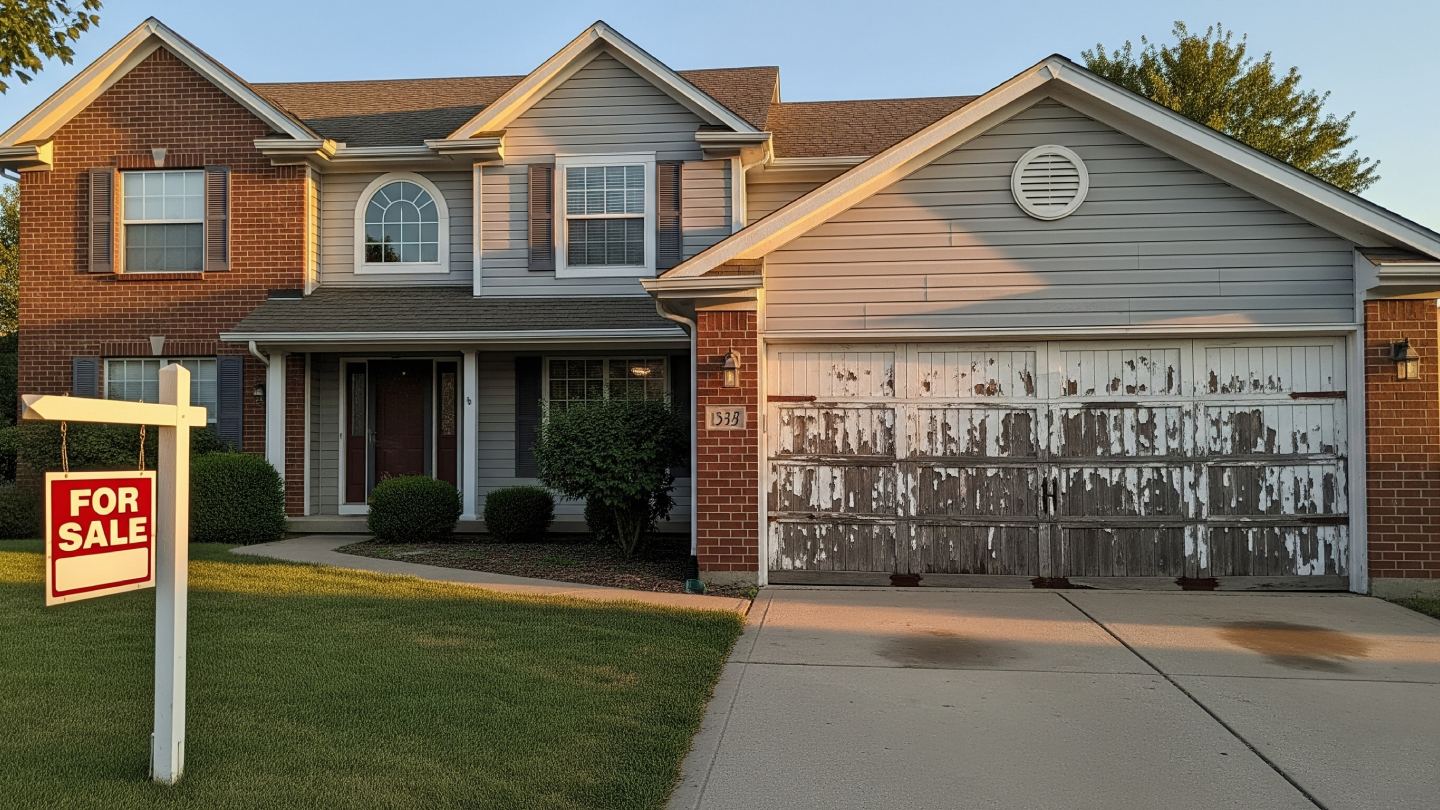
When preparing to sell your home, every improvement you make can impact buyer interest, curb appeal, and final sale price. One upgrade that often gets overlooked—but can deliver a surprising return—is replacing your garage door.
Read The Full Guide → Isabella Garage Door
Professional garage door installation done right, the first time,
with expert guidance and quality craftsmanship that transforms your home.
Raising Performance. Elevating Standards
Call or text: 989-572-0303