
What we love about working in Alma
2026-02-22
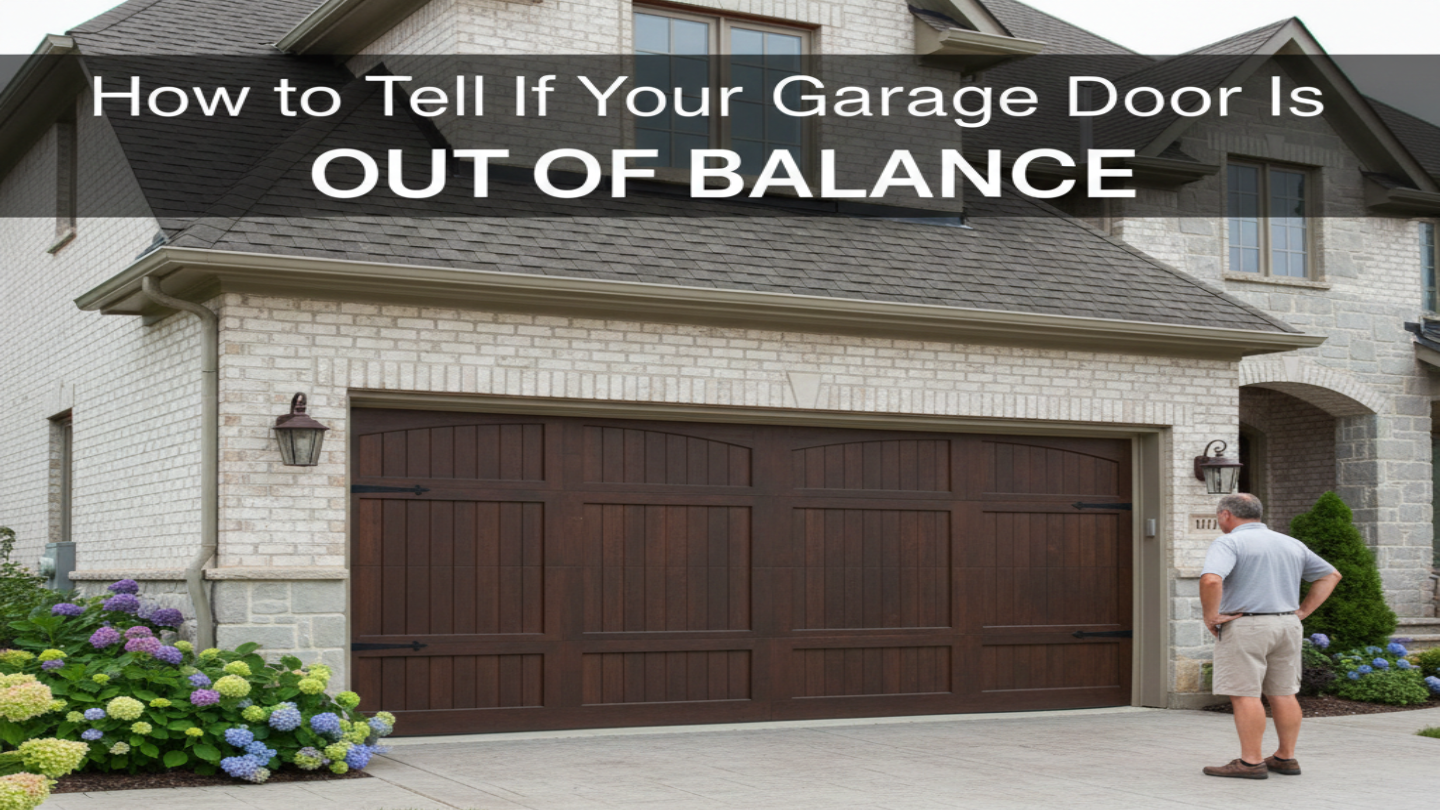
How to Tell If Your Garage Door Is Out of Balance
Published by Isabella Garage Door · Serving Central Michigan
Most homeowners don't think about their garage door until something goes wrong. And that makes sense — when it's working, it just works. But an out-of-balance door is one of those problems that sneaks up on you. It might not seem like a big deal at first, but left alone it can wear out your opener, strain your springs, and eventually leave you with a door that won't move at all. The good news is that checking your door's balance takes about 60 seconds and requires zero tools.
Here's how to do it — and what to look for.
The 60-Second Balance Test
Step 1: Close your garage door all the way.
Step 2: Pull the red emergency release cord hanging from the opener track. This disconnects the door from the opener so you're working with the door manually.
Step 3: Lift the door by hand to about waist height — roughly halfway up — and let go.
That's it. Here's what the results mean:
- Door stays put — Your door is well balanced. The springs are doing their job.
- Door slowly drifts down — Slightly out of balance. Worth keeping an eye on and scheduling a tune-up soon.
- Door drops quickly — The springs have lost significant tension. This needs attention before it gets worse.
- Door shoots upward — Over-tensioned springs. Also a problem, and a safety concern.
When you're done, reconnect the opener by pulling the cord toward the door or pressing the wall button.
Why Balance Matters More Than You'd Think
Your garage door opener is designed to move a balanced door. It's not built to compensate for a heavy, unbalanced one. When springs lose tension and the door gets harder to lift, the opener has to work much harder than it was designed to — shortening its lifespan significantly.
Think of it like driving with a flat tire. The car still moves, but everything else is taking a beating in the meantime.
Beyond the opener, an unbalanced door puts uneven stress on the cables, rollers, and tracks. What starts as a spring issue can quietly turn into a much more expensive repair if it goes ignored long enough.
Other Signs Your Door Might Be Off Balance
The manual test is the most reliable way to check, but your door will sometimes give you other hints:
It looks crooked when it moves. If one side rises faster than the other, or the door looks tilted as it opens, that's a classic sign of uneven spring tension.
It's louder than it used to be. Grinding, squeaking, or banging sounds often mean the door is working harder than it should — sometimes because it's out of balance, sometimes because of worn rollers or a track issue.
The opener sounds strained. If your opener hums or strains during operation when it used to be quiet, the door may be putting too much load on it.
It reverses for no obvious reason. Modern openers have a built-in safety feature that causes the door to reverse if it detects too much resistance. An out-of-balance door can trigger this even when nothing is physically blocking it.
What Causes a Door to Go Out of Balance?
Almost always, it comes down to the springs. Garage door springs have a finite lifespan — typically measured in cycles, where one cycle is one open and one close. Most standard springs are rated for around 10,000 cycles. For a family using the garage twice a day, that's roughly 7-10 years.
As springs age, they gradually lose tension. Often one spring wears faster than the other, which is what creates that uneven, lopsided movement. Michigan winters don't help either — cold temperatures make metal contract and can accelerate spring wear, which is why you're more likely to notice problems in late fall and early spring.
When to Call a Professional
If your door failed the balance test or you're noticing any of the symptoms above, it's worth having someone take a look. Spring adjustment and replacement isn't a DIY job — the springs are under significant tension and require the right tools and know-how to work on safely.
The good news is that catching it early almost always means a simpler, less expensive fix.
Not sure what's going on with your door? Let our free tool help you figure it out in less than a minute.
👉 Try DoorDiagnosis™ — answer a few quick questions and we'll point you toward what's likely going on and what to do next.
— The Isabella Garage Door Team Serving Mt. Pleasant, Clare, Alma, Coleman, Shepherd & all of Central Michigan
You May Also Like

Why We Love Serving Alma, MI
How Summer Heat Affects Your Garage Door
Here's what's actually happening to your garage door when the temperatures climb — and what to watch for before a minor issue turns into a service call at the worst possible time.
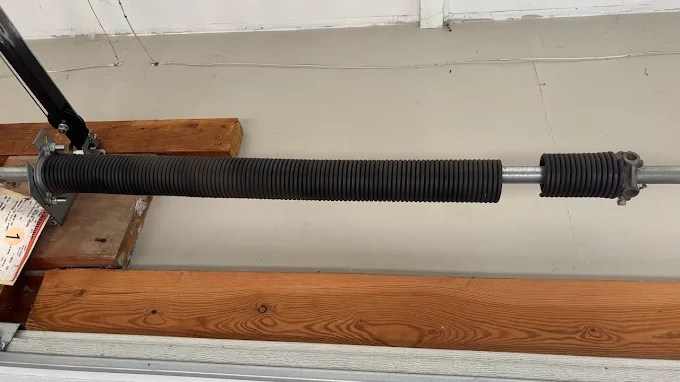
How Long Does Garage Door Spring Replacement Take?
Your garage door spring just broke, you're probably wondering: how long is this going to take? The short answer is that a straightforward torsion spring replacement takes between 45 minutes and 90 minutes once the technician arrives.