5 Maintenance tips.
2026-02-02
Torsion vs Extension Springs: Which Garage Door Spring Is Right for You?
If you're replacing your garage door springs or installing a new door, you might be wondering about the difference between torsion and extension springs. While both do the same basic job (counterbalancing the weight of your door so it's easy to open), they work in different ways and each has its own advantages and drawbacks.
Let’s break down what Mt Pleasant homeowners need to know about these two spring types.
What Are Torsion Springs?
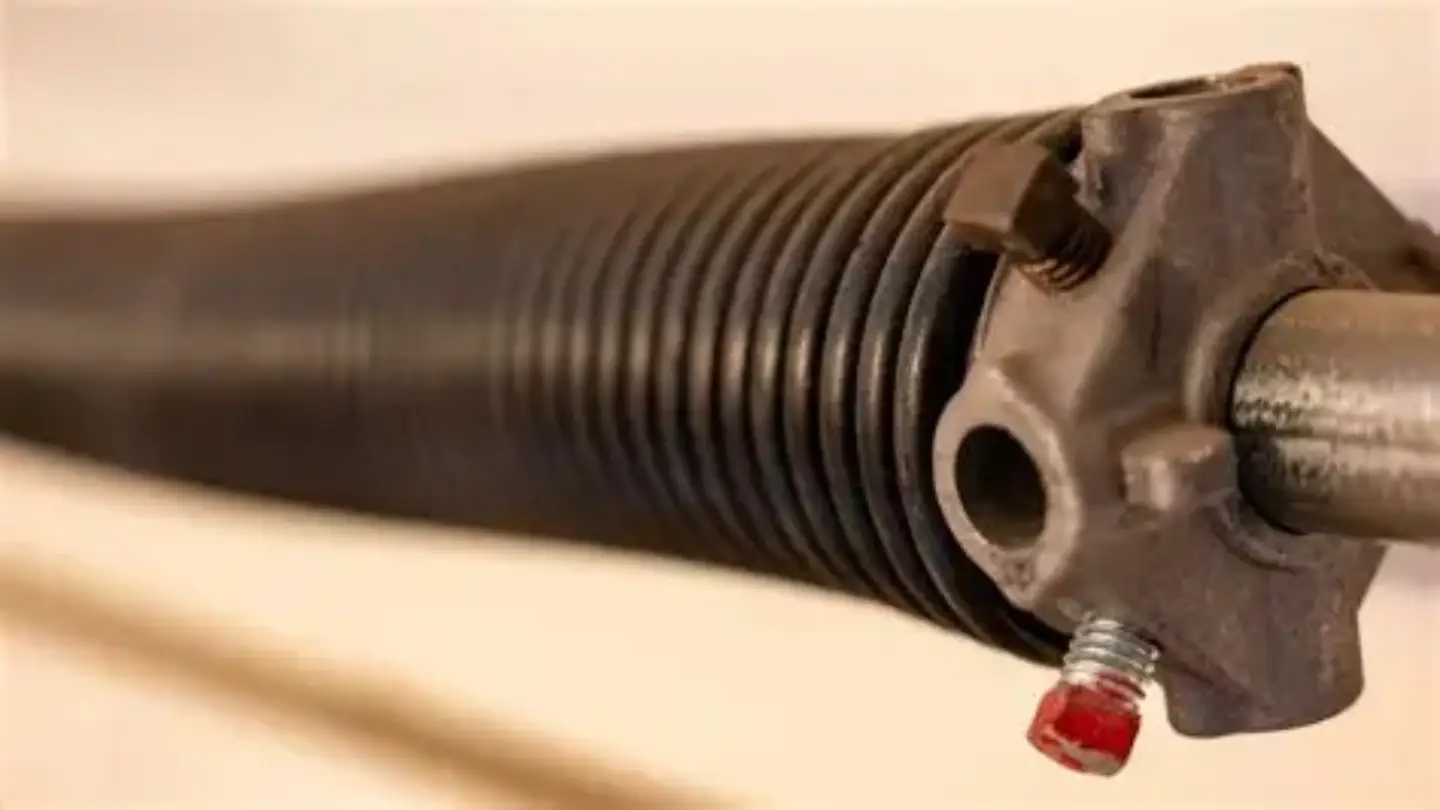
Torsion springs are mounted on a metal shaft directly above your garage door opening. When the door closes, the springs wind up and store energy. When you open the door, that stored energy unwinds to help lift the door.
You'll typically see one or two torsion springs running horizontally above the center of your door. They're the springs that look like tight coils on a rod.
Pros of Torsion Springs
-
Longer lifespan: Torsion springs typically last 10,000 cycles (one cycle is opening and closing your door once). For most households, that translates to 8–15 years of use. High-cycle torsion springs can last even longer.
Want to know exactly how long your springs should last based on your usage? Try our SpringStatus™ calculator on the Isabella Garage Door website to get a personalized estimate. -
Smoother operation: Because torsion springs provide more balanced lifting power, your door opens and closes more smoothly. This puts less strain on your opener and other components.
-
Better balance: Torsion springs keep your door level as it moves. This is especially important for wider two-car garage doors, which can become lopsided with extension springs.
-
Safer when they break: When a torsion spring breaks, it stays contained on the shaft above your door. There’s less risk of the spring whipping around or causing damage.
-
Quieter: Torsion spring systems generally operate more quietly than extension springs, which can squeak and rattle.
-
Space-saving: Since torsion springs are mounted above the door, they don’t take up space along the sides of your garage. This can matter if you have an opener or ceiling storage.
Cons of Torsion Springs
-
Higher upfront cost: Torsion springs cost more to purchase and install than extension springs.
-
Professional installation required: Torsion springs are under extreme tension and require special tools to install safely. This is not a DIY project.
-
Requires adequate clearance: You need at least 10–12 inches of headroom above your door for a torsion spring system. Some older or low-clearance garages may not have this space.
What Are Extension Springs?
Extension springs run along the horizontal tracks on both sides of your garage door. They stretch and contract as the door moves up and down.
- When the door is closed, the springs are stretched
- When the door opens, they contract and help pull the door up
Pros of Extension Springs
-
Lower cost: Extension springs are less expensive than torsion springs, both for parts and installation. This can be helpful if you’re on a tight budget.
-
Work in low-clearance garages: If your garage doesn’t have much headroom above the door, extension springs are often the only option.
-
Widely available: Extension springs are standard and most garage door companies keep them in stock.
Cons of Extension Springs
-
Shorter lifespan: Extension springs typically last 4,000–6,000 cycles, roughly half the lifespan of torsion springs. That’s about 3–6 years for the average household.
-
Less smooth operation: Extension springs can cause the door to jerk slightly as it opens and closes, especially as they age.
-
Noisier: The stretching and contracting motion often causes creaking or rattling noises.
-
Safety concerns: When an extension spring breaks, it can snap with considerable force.
👉 Safety cables should ALWAYS be installed through the center of extension springs to contain them if they break. Unfortunately, not all doors have these cables. -
Uneven wear: The two springs can wear at different rates, causing the door to become unbalanced.
-
Takes up more space: Extension springs run along the tracks, which can interfere with storage or wall-mounted items.
Which Spring Type Is Right for Your Home?
For most Central Michigan homeowners, we recommend torsion springs if your garage has adequate clearance. The longer lifespan and smoother operation usually make the higher upfront cost worthwhile over time.
When you factor in fewer replacements and less wear on your opener, torsion springs often save money in the long run.
Extension springs may make sense if:
- Your garage has limited headroom
- You’re working with a tight budget
- You have a lightweight single-car door
- Your existing system already uses extension springs and works fine
Can You Switch from Extension to Torsion Springs?
Yes — in most cases, you can convert from extension springs to torsion springs. However, this involves more than just swapping springs.
You’ll need:
- A torsion shaft
- Mounting hardware
- Drums
- Possibly additional components
It’s a larger job and costs more than a standard spring replacement.
We typically recommend converting when:
- You’re replacing your entire garage door
- Your extension springs need frequent replacement
- You’re experiencing balance issues
- You want a quieter, smoother-operating door
Spring Replacement: Don’t Wait Too Long
Regardless of which spring type you have, replacing springs before they break is critical.
Not sure when yours are due? Our SpringStatus™ calculator can estimate remaining spring life based on cycle rating and usage.
Warning signs your springs need replacement:
- Visible gaps or separation in the coils
- Rust or corrosion
- The door feels heavier than usual
- The door opens unevenly or gets stuck
- The door won’t stay open
- Loud banging or squealing noises
Waiting until springs break can damage other components and leave you unable to open your garage.
Not Sure What Springs You Have?
Look above your garage door:
- Coiled springs on a shaft above the door → Torsion springs
- Springs running along the side tracks → Extension springs
Still unsure? We can help identify them.
Need an Estimate?
Use our EasyEstimate™ tool on the Isabella Garage Door website. It walks you through what’s needed and provides a price range for spring replacement.
Get Expert Spring Replacement in Mt Pleasant
Whether you need torsion or extension springs replaced, Isabella Garage Door has the experience and tools to do the job safely. We use high-quality springs built to last and can help determine whether upgrading makes sense for your home.
🚨 Do not attempt spring replacement yourself.
Garage door springs are under hundreds of pounds of tension and cause serious injuries every year. Let trained professionals handle it safely.
Isabella Garage Door
Professional garage door spring replacement in Mt Pleasant and surrounding areas