5 Signs to look out for with your garage door.
2026-04-05
When Were Automatic Garage Door Openers Invented?
Most homeowners never think about their garage door opener until the day it stops working. But the device mounted to your garage ceiling — the one you've probably pressed thousands of times without a second thought — has a surprisingly rich history. And if you live in Michigan, that history hits a little closer to home than you might expect.
It Started With a Problem
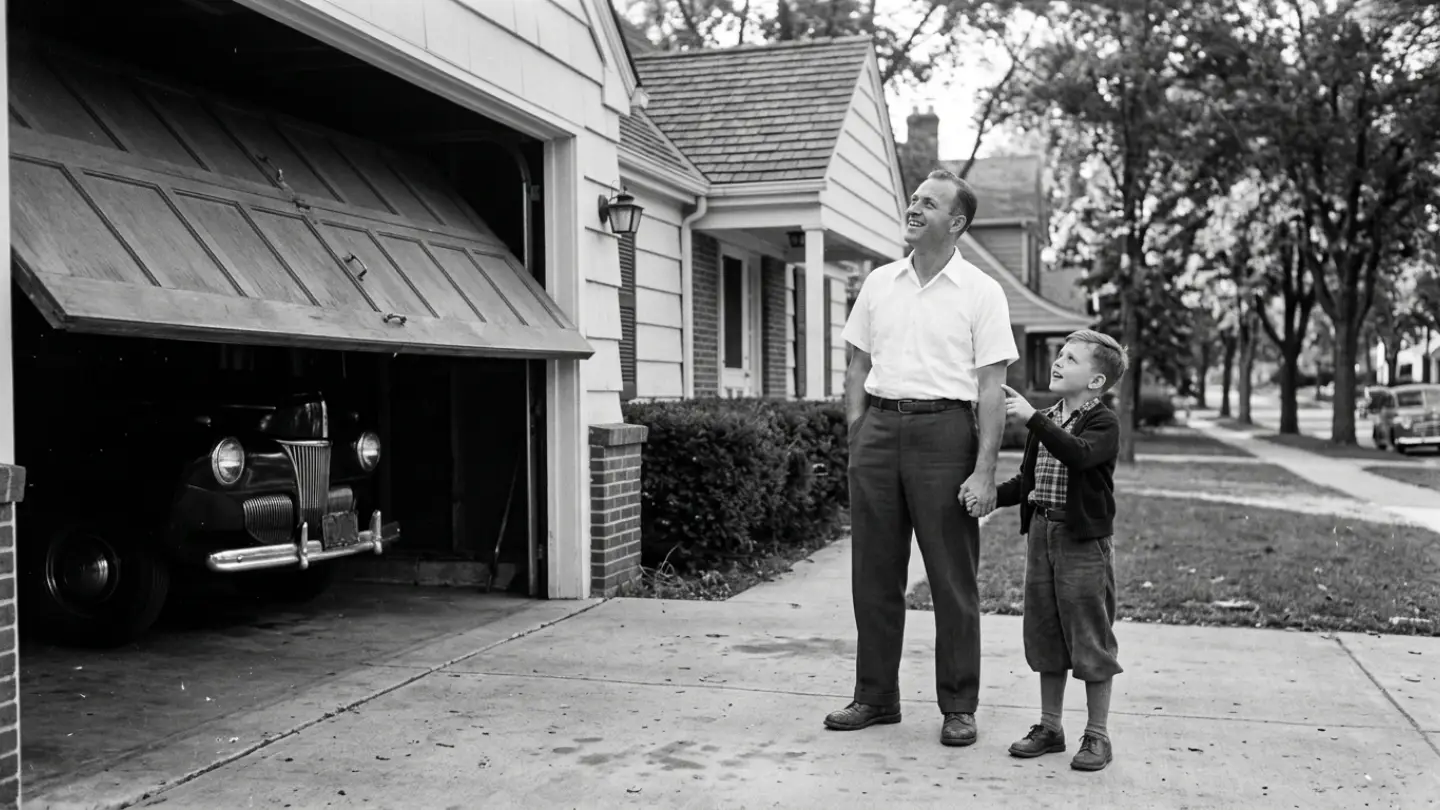
By the early 1900s, cars were becoming a fixture of American life, and people needed somewhere to keep them. Early garages used heavy, swinging barn-style doors that had to be pushed open by hand — not exactly convenient in a Michigan winter. That frustration set the stage for one of the most useful home inventions of the 20th century.
The Man Who Started It All — and His Michigan Connection
A man named C.G. Johnson is largely credited with solving both halves of the problem. In 1921, he invented the upward-lifting overhead garage door — the basic design still used today. Then in 1926, he took it a step further and introduced the first electric garage door opener.
Here's the Michigan connection: Johnson and his business partner opened one of the first garage door manufacturing plants right in Detroit. The state that put America on wheels also helped build the doors to store those cars in.
That said, Johnson's early opener wasn't exactly what we'd recognize today. It required a button mounted inside the garage to activate it — meaning you still had to get out of the car, walk inside, and hit the switch. Better than lifting by hand, but not by much.
Radio Changes Everything
The real leap forward came from radio technology — much of it developed or refined during World War II. By the late 1940s and early 1950s, companies began applying that radio know-how to garage doors.
In 1954, Alliance Manufacturing Company introduced a garage door opener called the Genie — widely considered the first mass-produced, radio-controlled residential opener. For the first time, a homeowner could pull into the driveway, press a button from inside the car, and watch the door go up without ever stepping outside. It was a genuine convenience, and people took to it quickly.
The remote controls of that era weren't exactly secure, though. They operated on fixed radio frequencies, which meant that in some neighborhoods, one person's remote could accidentally trigger a neighbor's door. More concerning, anyone with the right equipment could capture the signal and replay it to get inside. That vulnerability would eventually be solved — but not for a few more decades.
The 1970s and 1980s: Going Mainstream
Automatic openers were still a luxury item through much of the 1960s. What changed in the 1970s was the widespread adoption of the split-rail mounting system, which made it practical to fit openers into a much wider variety of garage sizes and ceiling heights. Suddenly, mass retailers could sell opener kits to average homeowners, and they did.
Through the 1980s, remote controls became smaller, more reliable, and more common. The chain-drive opener — loud but affordable and durable — became a staple of American homes during this period.
Safety Becomes a Federal Issue
As automatic openers became standard equipment in new homes, a serious problem emerged: children were being injured and killed by closing garage doors that couldn't detect an obstruction. Estimates at the time suggested that between 10 and 50 children were hurt or killed each year.
Engineers at companies like Chamberlain (makers of LiftMaster) developed infrared sensor systems — the two little "electric eye" units you see mounted near the floor on either side of your garage door today. If anything breaks that beam while the door is closing, it reverses automatically.
Minnesota passed state-level safety requirements first, and other states followed. In 1990, Congress made it federal law: any automatic garage door opener manufactured after January 1, 1991 was required to include entrapment protection. A 1993 update added the photo-eye sensor requirement that remains standard today.
Rolling Code Technology Closes the Security Gap
Also in the 1990s, the industry finally addressed the remote control security problem that had existed since the 1950s. Rolling code technology — sometimes called Security+ — replaced fixed radio codes with an algorithm that generates a new code every single time you press the button. The transmitter and receiver stay synchronized, but the code is never repeated. Code-grabbing devices became useless overnight.
Today: Smart Openers and Connectivity
Modern garage door openers have come a long way from a button on a garage wall. Today's openers connect to your home's Wi-Fi and can be controlled from a smartphone anywhere in the world. You can receive an alert when your door opens or closes, share temporary access with a contractor or delivery driver, and check whether you left the door open from the other side of the country.
Battery backup systems mean the opener keeps working even during a power outage — something previous generations of homeowners couldn't count on during Michigan's ice storms.
Over a Century Later
What started as a solution to getting out of your car in the rain has become one of the most sophisticated mechanical systems in a modern home. A century of innovation — from a hand-wired button on a post to an app on your phone — went into that opener above your head.
And when it stops working? That's where a local technician comes in. If your opener is giving you trouble anywhere in Central Michigan, Isabella Garage Door serves Mt. Pleasant, Clare, Alma, and the surrounding communities. Give us a call and we'll get it sorted out.
You May Also Like
5 Signs Your Door May Need Attention
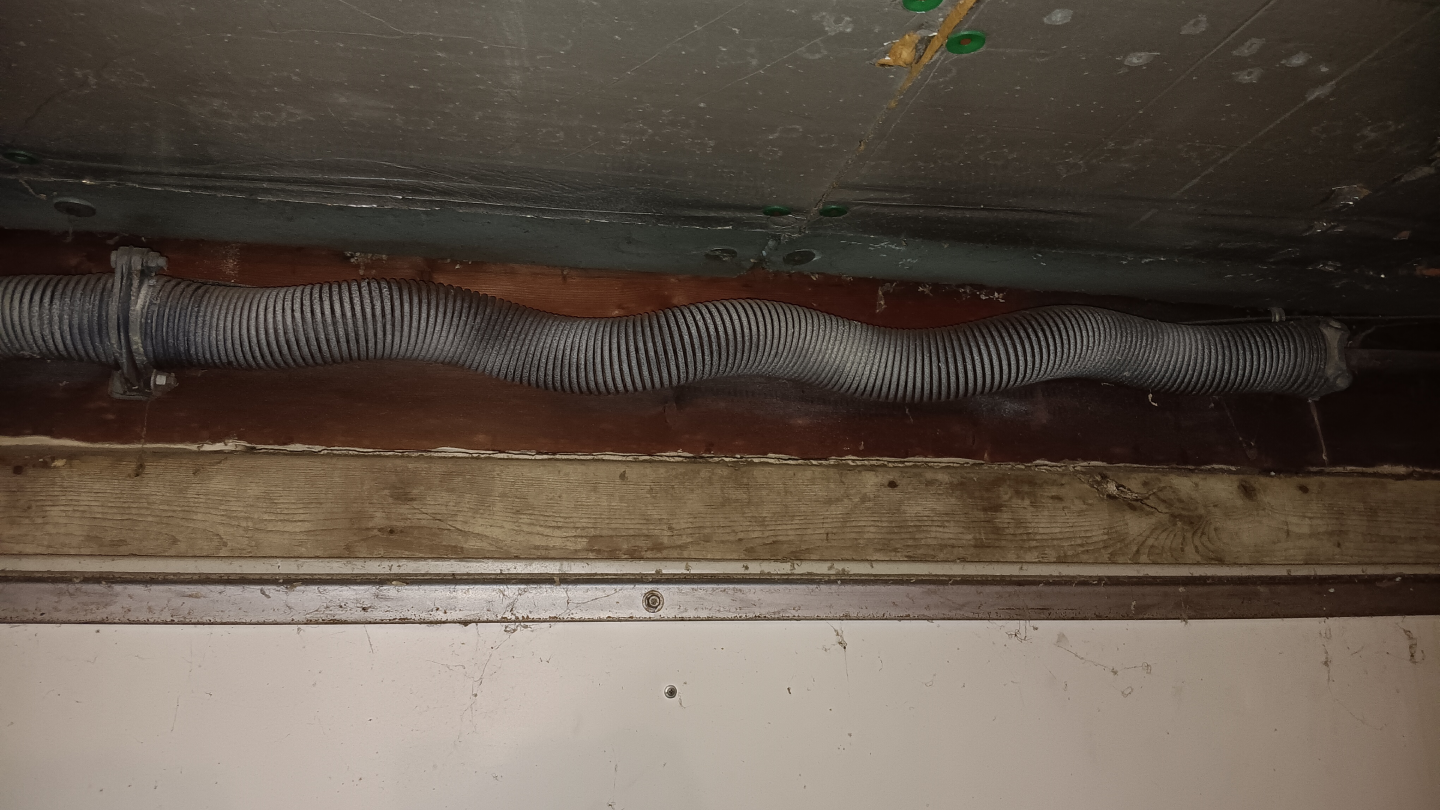
How Much Does Garage Door Spring Replacement Cost in Mt. Pleasant, MI?
The first question most people ask is: what is this going to cost? It's a fair question, and we're going to give you a straight answer!
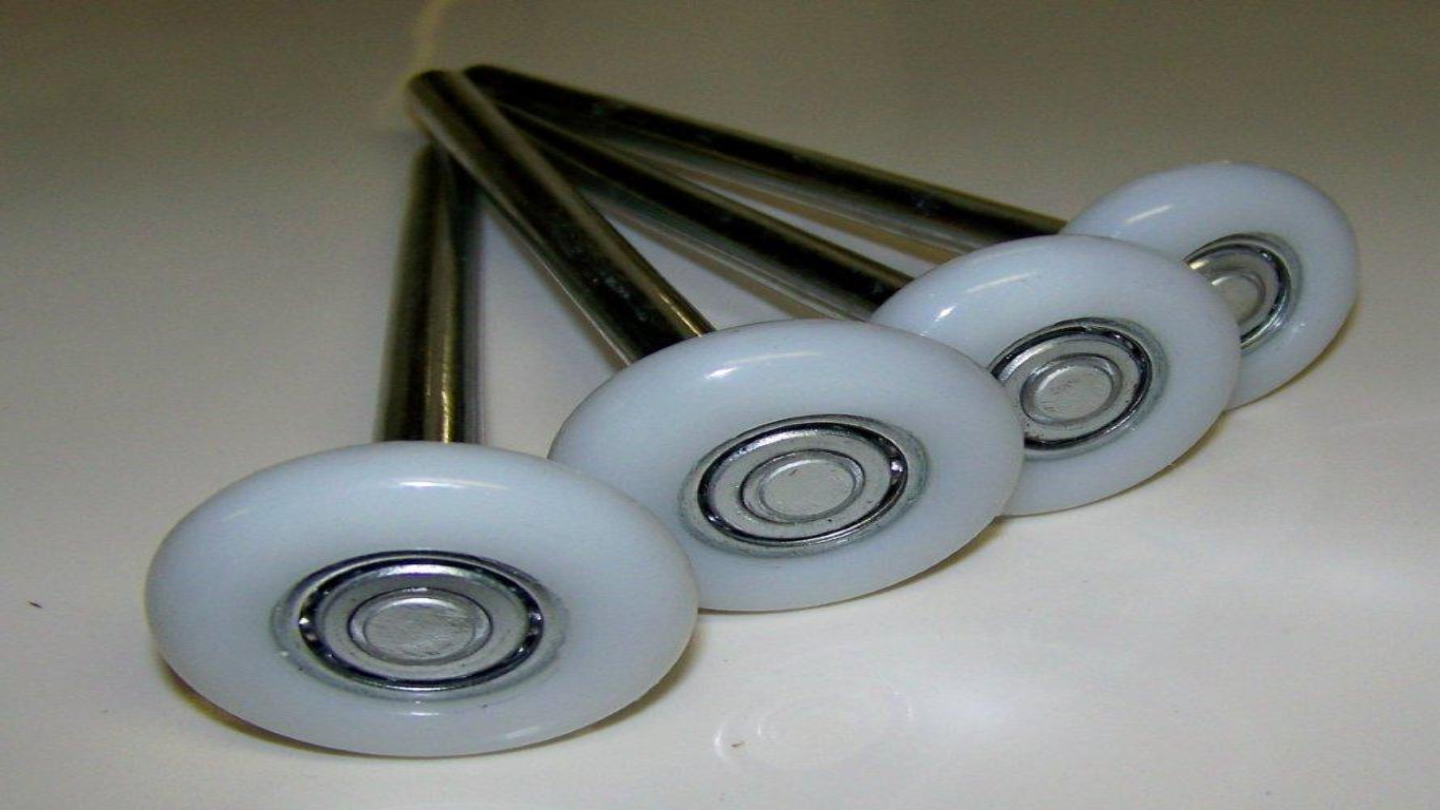
Garage Door Rollers: Steel vs Nylon - Which Should You Choose?
Discover which type of garage door roller is best for your door