Here's what's actually happening to your garage door when the temperatures climb — and what to watch for before a minor issue turns into a service call at the worst possible time.
2026-06-01
Why Is My Garage Door So Noisy? (And How to Fix It)
A little bit of noise from a garage door is normal. These are large mechanical systems with moving parts, springs under tension, and metal hardware that cycles thousands of times over its lifespan. Some sound is expected.
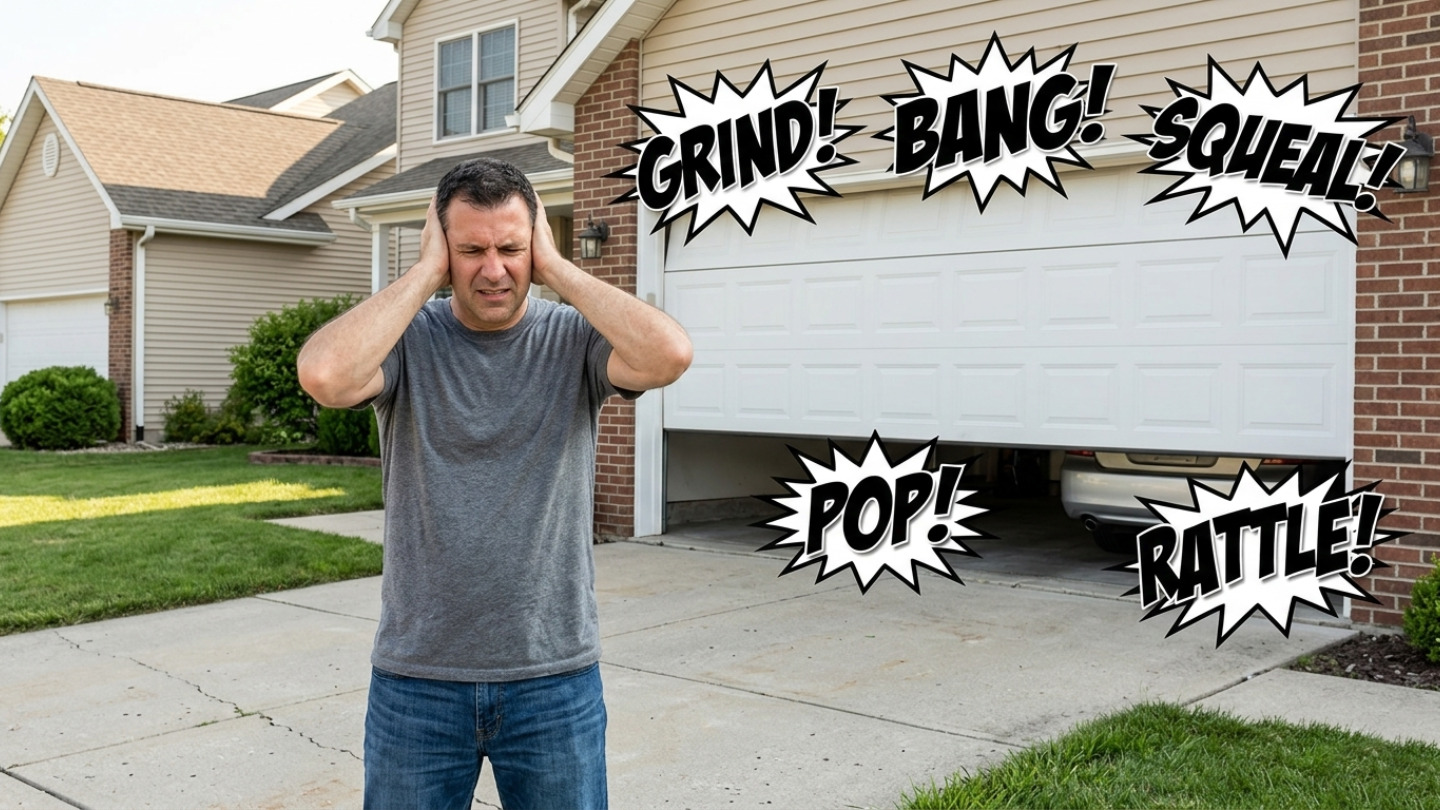
But when your garage door goes from a quiet hum to a grinding, banging, squealing, or rattling operation — that's your door telling you something. Different noises point to different problems, and knowing how to read them can save you from a more expensive repair down the road.
This guide walks through the most common garage door noises, what's causing them, and what you can do about it yourself — plus the situations where it's time to call a technician.
Start Here — The Quick Fix That Solves Half of All Noise Problems
Before diagnosing anything, lubricate your garage door.
This sounds too simple, but a surprising number of noisy garage doors are fixed entirely with a $10 can of white lithium grease spray or dedicated garage door lubricant. Metal components that run dry develop friction, and friction makes noise. Regular lubrication is the single most effective preventive maintenance step a homeowner can take.
What to lubricate:
- Torsion spring coils — a light coat along the full length of the spring
- Roller stems — where the stem meets the hinge bracket, not the wheel itself if it's nylon
- All hinge pivot points along the door sections
- Bearing plates on either end of the spring shaft
- The opener's drive chain or screw (not the belt — belts don't need lubrication)
What not to use: WD-40 is a solvent and cleaner, not a long-term lubricant. It will quiet things down temporarily but evaporates quickly and can actually attract dirt over time. Use white lithium grease or a purpose-made garage door lubricant.
Apply lubricant, run the door through a few cycles, and see how much of the noise disappears. If it's mostly gone — great. If specific sounds remain, work through the sections below.
Grinding or Scraping Noise
What it sounds like: A harsh metal-on-metal grinding, especially during the open cycle. Sometimes accompanied by the door moving unevenly or in jerks.
Most likely cause — worn or damaged rollers.
Rollers are the small wheels that guide the door along the tracks on either side. Most residential doors come with nylon or steel rollers. Nylon rollers are quieter but crack and wear over time. Steel rollers are more durable but louder, and when their bearings wear out they create a grinding sound as they drag through the track rather than rolling smoothly.
What to check: Look at each roller as you slowly operate the door. A worn roller will wobble, look cracked, or have visible flat spots. A roller that's seized and not spinning freely is dragging against the track instead of rolling.
The DIY fix: Roller replacement is one of the more accessible garage door repairs for a capable homeowner. Rollers are inexpensive and sold at most hardware stores. You'll need to work section by section, loosening the hinge bolts to slide the old roller out and the new one in.
When to call a pro: If the bottom bracket rollers — the ones at the very bottom corners of the door — need replacement, leave those alone. The bottom brackets are connected to the lift cables, which are under significant tension. Those are technician territory.
Squealing or Squeaking
What it sounds like: A high-pitched squeal or squeak during operation, often consistent and rhythmic.
Most likely cause — dry hinges or rollers.
This is usually the most straightforward noise to fix. Metal hinges that haven't been lubricated develop surface rust and friction over time, producing a squeal as the door flexes through its sections.
What to check: Apply lubricant to every hinge pivot point on the door. Run the door and listen for whether the noise has moved, changed, or disappeared. Repeat until you've isolated it.
The DIY fix: Lubrication as described above. If a hinge is visibly cracked, bent, or the pivot pin is worn loose, replace it. Hinges are cheap and straightforward to swap out with basic tools.
When to call a pro: If lubrication doesn't resolve a persistent squeal and you've ruled out the hinges, the noise may be coming from the torsion spring or the bearing plates — areas that warrant a professional look.
Banging or Popping
What it sounds like: A loud bang or pop, either during operation or sometimes when the door is sitting still. A single loud bang when you activate the opener is a specific warning sign.
Most likely cause — worn or broken torsion spring.
A banging noise during operation can indicate a spring that's losing tension unevenly. A single loud bang — especially one you hear from inside the house — is often the sound of a torsion spring snapping completely.
What to check: Look at the torsion spring above the door. It's the large coiled spring mounted horizontally on a shaft above the door opening. If it's broken, you'll see a visible gap in the coil — the spring will look separated in the middle or near one end.
The DIY fix: There isn't one for torsion springs. This is the clearest line in garage door maintenance between homeowner territory and professional territory. Torsion springs are wound under hundreds of pounds of force. Attempting to replace or adjust them without the proper tools and training causes serious injuries every year. If your spring is broken or suspected to be failing, stop using the door and call a technician.
Other causes of banging: Loose hardware — particularly track brackets and hinge bolts — can rattle and bang as the door moves. Walk the tracks and door with a socket wrench and snug up any loose bolts. This is quick, easy, and often eliminates a surprising amount of noise.
Rattling
What it sounds like: A general rattling or vibrating during operation, like something is loose.
Most likely cause — loose hardware.
Over thousands of open and close cycles, vibration gradually backs out bolts and screws throughout the door system. Track brackets, hinge bolts, and the opener mounting hardware are the most common culprits.
The DIY fix: A socket wrench and 10-15 minutes. Work your way down both tracks tightening the bracket bolts, then go section by section tightening the hinge bolts on the door itself. Finish by checking the bolts that mount the opener to the ceiling — these vibrate loose over time and a rattling opener is sometimes just a loose mounting bracket.
One thing to avoid: Don't overtighten. Snug is sufficient. Overtightening hinge bolts can crack the door section around the bolt hole, which is a more expensive problem than a rattle.
Rumbling or Vibrating From the Opener
What it sounds like: A low rumble or vibration emanating from the opener motor unit itself, not from the door.
Most likely cause — worn drive components or opener reaching end of life.
Chain drive openers produce more noise than belt drive models by design — a certain amount of chain rattle is normal. But a rumbling or grinding from the motor itself can indicate worn gears inside the opener, especially on units that are 10-15 years old.
What to check: Make sure the drive chain isn't sagging excessively — a chain with too much slack will slap against the rail. There's usually an adjustment bolt on the trolley to take up slack.
The DIY fix: Chain tension adjustment is straightforward and covered in your opener's manual. Beyond that, internal gear wear is a repair or replacement decision better made with a technician's assessment.
Slapping or Flapping
What it sounds like: A rhythmic slapping during operation, often coming from the top or sides of the door opening.
Most likely cause — worn or misaligned weatherstripping.
The weatherstripping around the door frame can pull loose, harden, or fold over time. When sections of it catch on the door during operation they create a slapping sound.
The DIY fix: Inspect the weatherstripping on all four sides of the door frame — top, both sides, and the bottom seal. Look for sections that are pulling away, folded, or positioned so the door is catching on them. Reattach loose sections with weatherstrip adhesive or replace damaged sections entirely. Bottom seal replacement in particular is a common and inexpensive fix that most homeowners can handle themselves.
The Noise That Means Stop Using the Door
Any of the following should result in stopping operation and calling a technician:
- A single loud bang followed by the door feeling extremely heavy or refusing to open — broken spring
- Grinding accompanied by the door moving crookedly — a cable may have jumped off the drum or a roller may have come out of the track entirely
- Squealing from the cables — frayed or worn cables under tension are a safety concern
- The opener straining audibly on every cycle — the door system is working against the opener, usually due to a spring issue
These aren't situations to work around or ignore. A door that's struggling is putting stress on every component in the system simultaneously.
A Noise Maintenance Schedule Worth Following
Most garage door noise is preventable with routine attention. Here's a simple cadence:
Every 6 months:
- Lubricate springs, rollers, hinges, and bearing plates
- Tighten loose hardware on tracks and door sections
- Perform a balance test — disconnect the opener and see if the door holds position at mid-travel
Every 1-2 years:
- Inspect rollers for wear and replace if cracked or wobbling
- Check weatherstripping condition on all four sides
- Have a technician inspect the spring system, cables, and opener
A quiet garage door isn't just more pleasant to live with — it's a door that's operating efficiently, putting less strain on the opener, and less likely to fail unexpectedly.
If you've worked through this guide and still can't identify the source of the noise — or if you've identified a spring or cable issue — Isabella Garage Door serves homeowners throughout Central Michigan. We'll diagnose it accurately and give you a straight answer on what it needs. Call or text anytime at 989-572-0303.
Raising Performance. Elevating Standards.
You May Also Like
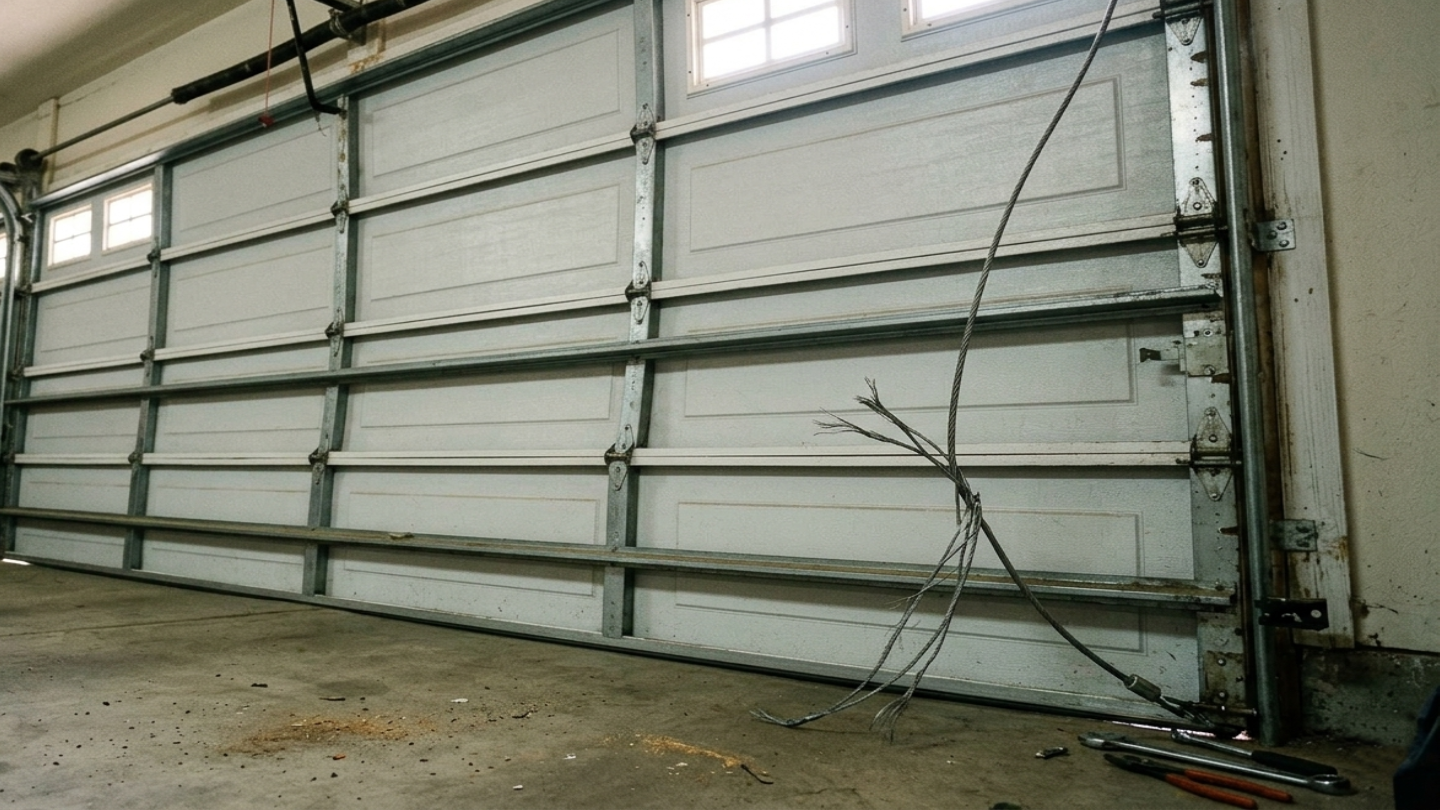
Garage Door Cable Snapped? Here's What Happened and What to Do
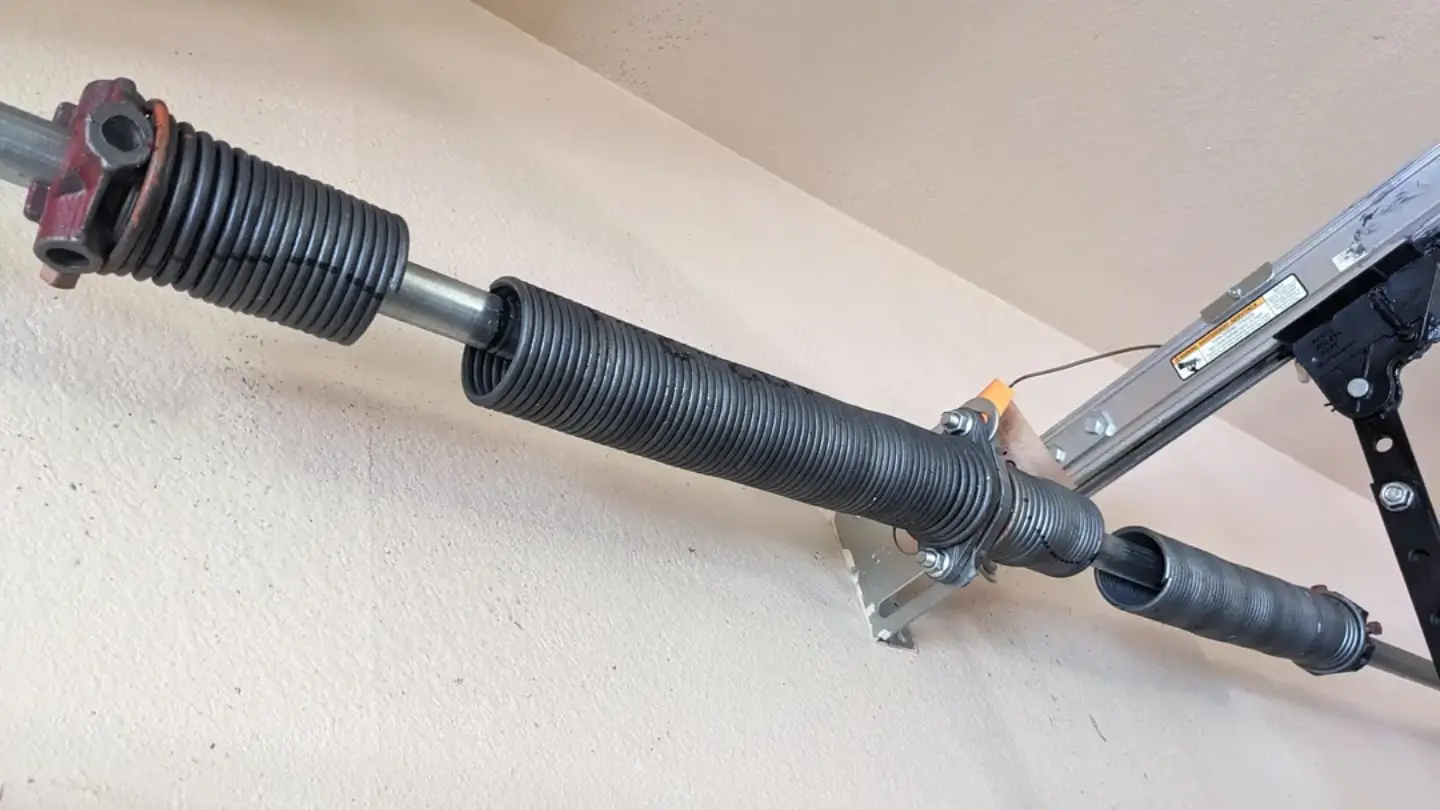
5 Signs Your Garage Door Springs Are About to Break
Your garage door springs do a lot of heavy lifting — literally. Every time your door opens and closes, those springs are under enormous tension, working hard so you don't have to think about it. Most of the time, they're invisible heroes. But when they start to wear out, they usually give you a few warning signs before they go. Here's what to watch for.
Untitled Article