
Why Mount Pleasant is special to us
2026-03-15
Why Your Garage Door Won't Close (And It Might Be That Rake in the Corner)
You hit the button to close your garage door. It goes down halfway, stops, and reverses back up. You try again. Same thing. One more time—nope, still won't close.
Before you call a repair company, take a look at the floor on both sides of your garage door. See that rake leaning against the wall? Those trash cans by the corner? The snow shovel you tossed there last week?
That might be your entire problem.
The 5-Second Fix That Saves You a Service Call
Here's what's happening: your garage door has two small sensors (called photo eyes or safety sensors) mounted about 6 inches off the ground on each side of the door opening. They shoot an invisible beam across the doorway. If anything breaks that beam while the door is closing, the door automatically reverses to prevent crushing whatever's in the way.
It's a brilliant safety feature. It's also incredibly sensitive.
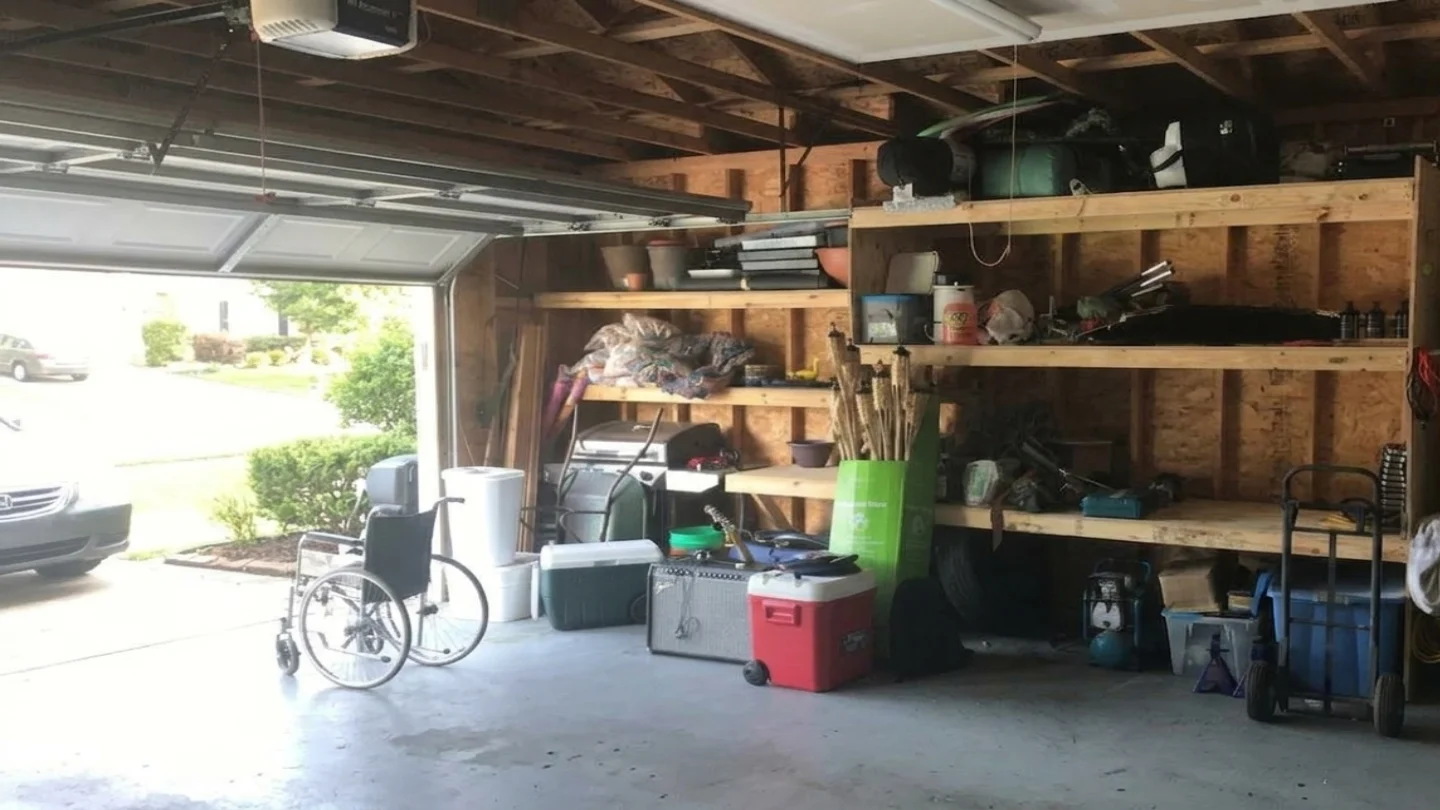
When you lean a rake against the wall near those sensors, or stack trash cans in the corner, or park your bicycle too close, you're not necessarily blocking the beam completely. But you might be blocking it just enough—or creating a shadow that the sensors interpret as an obstruction.
The fix? Move the stuff. That's it.
Clear a 12-inch radius around each sensor. Try your door again. Nine times out of ten, problem solved.
What Are Photo Eyes and Why Do They Matter?
Federal law requires all garage door openers manufactured after 1993 to have photo eye sensors. They're a critical safety feature designed to prevent injuries, especially to children and pets.
The sensors are typically small, about the size of a pencil eraser, and mounted on brackets near the floor on each side of your garage door tracks. One sends an infrared beam, the other receives it. If that beam is interrupted while the door is closing, the door stops and reverses.
In Central Michigan homes, we see these sensors get misaligned or blocked constantly—especially in the winter when snow shovels, ice melt buckets, and road salt containers get tossed in the garage without much thought about where they land.
Common Items That Cause Sensor Problems
Let me walk you through the usual suspects we find when we get called out for "door won't close" issues:
1. Rakes and Brooms
You lean them against the wall "just for a second" after sweeping the driveway. The handle sticks out farther than you think. Beam blocked.
2. Trash and Recycling Bins
Pushed against the wall to save space. Makes sense—except when they're sitting right in front of the sensors.
3. Bicycles and Scooters
Kids come home, lean the bike against the wall, run inside. The bike tire or handlebar crosses the sensor line.
4. Sports Equipment
Hockey sticks, baseball bats, golf clubs—all guilty. Anything tall and thin is a repeat offender.
5. Storage Bins and Boxes
You're organizing, you stack bins near the door opening "temporarily," and suddenly your door won't close.
6. Snow Shovels and Ice Scrapers (Michigan Winters)
After clearing the driveway, you toss the shovel in the garage without looking. It lands perfectly positioned to block one sensor.
7. Strollers and Lawn Mowers
Big items pushed to the side of the garage for storage. They take up more space than you realize.
8. Pet Supplies
Dog food bags, cat litter containers, even pet beds placed near the wall for convenience.
How to Know If Your Sensors Are Blocked (Without Calling Anyone)
Here's a quick DIY test:
-
Look at the sensor lights. Most photo eyes have a small LED indicator. If both sensors have solid green or red lights, they're aligned and communicating. If one is blinking or off, something's wrong.
-
Try to close the door. If it goes down a few inches and reverses, or won't go down at all, the sensors are likely blocked or misaligned.
-
Walk around the garage door opening. Look for anything within 12 inches of each sensor on both sides.
-
Move the items. Physically relocate anything near the sensors. Try the door again.
-
Still not working? The sensors might be misaligned (they need to point directly at each other), dirty (wipe them with a soft cloth), or faulty (time to call us).
Want a more thorough diagnosis? Use our free DoorDiagnosis™ tool to walk through common issues step-by-step.
The Real Problem: Your Garage Is Full
Let's be honest—the rake isn't the problem. The problem is that your garage is packed, and there's nowhere else to put the rake.
We get it. Garages are storage catch-alls. Between lawn equipment, seasonal decorations, tools, sports gear, and "stuff we'll deal with later," finding clear space is tough.
But here's the thing: keeping the area around your garage door sensors clear isn't just about convenience. It's about safety.
If your sensors are constantly blocked or misaligned because items are crowded around them, you might be tempted to disable the sensors or ignore the problem. Don't do that. Those sensors are there to protect your family.
Smart Storage Solutions (That Won't Break Your Door)
You don't have to empty your garage. You just need to be strategic about where you put things.
Create a "No-Go Zone"
Mark off a 12-inch perimeter around each sensor with tape or paint. Nothing goes in that zone. Ever.
Use Wall-Mounted Storage
Install hooks, pegboards, or overhead racks for rakes, brooms, shovels, and other long-handled tools. Get them off the floor and away from the sensors.
Designate Sensor-Safe Zones
Pick specific spots in your garage for trash cans, bins, and large items—spots that are nowhere near the door opening.
Label Your Sensors
Put a small piece of colored tape on the wall near each sensor as a visual reminder: "Keep clear."
Teach Your Family
Make sure everyone in your household knows where the sensors are and why that space needs to stay clear. Kids especially.
When It's NOT Just a Rake
Sometimes, moving the rake doesn't fix the problem. Here are other common issues we see:
Misaligned Sensors
The sensors need to point directly at each other. If one gets bumped (say, by a car pulling in too close), the beam breaks and the door won't close. You can usually realign them by gently adjusting the brackets.
Dirty Sensors
Dust, cobwebs, dirt, and grime can coat the sensor lenses and block the beam. Wipe them down with a soft cloth. In Michigan winters, road salt residue is a common culprit.
Damaged Wiring
Rodents chew wires. Wires get pinched. Connections corrode. If the sensors aren't getting power, the door won't close.
Faulty Sensors
Like any electronic component, sensors can fail. If you've cleared the area, cleaned the lenses, checked the alignment, and the door still won't close, you might need new sensors.
Sunlight Interference
Bright afternoon sun shining directly into the sensors can sometimes interfere with the infrared beam. If your door only acts up at certain times of day, this might be why. (Not common, but it happens.)
If you've tried the DIY fixes and your door still won't cooperate, give us a call at 989-572-0303. We'll diagnose the issue and get your door working again—usually same day.
Isabella County Winters and Garage Door Sensors
Living in Central Michigan means dealing with snow, ice, and freezing temperatures from November through March (and sometimes April, let's be real). Your garage becomes command central for winter gear: shovels, salt buckets, ice scrapers, sleds, and snow blowers.
Here's what we see every winter:
-
Salt buckets stacked near the door. Road salt is heavy. People put it close to the garage opening for easy access. Makes sense—until it blocks the sensors.
-
Snow shovels tossed in the corner. After shoveling the driveway at 6 AM, you're not thinking about sensor placement. You're thinking about coffee.
-
Ice melt drips and residue. Salt residue builds up on the sensor lenses, blocking the beam. A quick wipe fixes it, but most people don't realize it's the problem.
-
Frozen sensors. In extreme cold, condensation can freeze on the sensor lenses. Again, a gentle wipe (with a soft cloth, not your glove) usually solves it.
Winter garage storage tip: Keep a small broom or cloth near your garage door opener. When you come in from shoveling, take 10 seconds to wipe down the sensors. Prevents 90% of winter sensor issues.
What Happens If You Ignore Blocked Sensors
Some people get frustrated with the door reversing and decide to "outsmart" the system. They'll hold the wall button down continuously, forcing the door to close even with blocked sensors. Or they'll disconnect the sensors entirely.
Please don't do this.
Those sensors exist for a reason. Every year, garage doors injure thousands of people—including children. A closing garage door can exert 400+ pounds of force. That's enough to cause serious harm.
If your door won't close because the sensors are blocked, the system is doing its job. Fix the blockage. Don't disable the safety feature.
Free Tools to Help You Troubleshoot
Before you call a repair company (including us), try our free homeowner tools:
-
DoorDiagnosis™: Interactive troubleshooting guide that walks you through common garage door problems, including sensor issues.
-
EasyEstimate™: Get instant pricing estimates for common repairs so you know what to expect before calling anyone.
-
SpringStatus™: Check if your garage door springs are nearing the end of their life (they typically last 7-10 years or 10,000 cycles).
We built these tools because informed homeowners make better decisions. If you can fix it yourself by moving a rake, great. If you need professional help, you'll know what you're dealing with before we show up.
When to Call Isabella Garage Door
If you've moved the rake, cleaned the sensors, checked the alignment, and your door still won't close, it's time to call in a professional.
We serve Mt. Pleasant, Alma, Clare, and all of Isabella County with honest, no-BS garage door service. We'll diagnose the issue, explain what's wrong in plain English, and give you a fair price before starting any work.
Call us at 989-572-0303 or use our EasyEstimate™ tool to get started.
The Bottom Line
Your garage door won't close because of that rake in the corner. Or the trash cans. Or the snow shovel. Or the bike. Or something else sitting too close to your photo eye sensors.
The fix is simple: move the stuff, keep a 12-inch perimeter clear around the sensors, and your door will work like it's supposed to.
If it doesn't, you've got a more serious issue—and we're here to help.
Isabella Garage Door proudly serves Mt. Pleasant, Alma, Clare, Lake Isabella, Shepherd, Coleman, Rosebush, and all of Central Michigan with professional garage door repair, installation, and maintenance. Local, honest, and always upfront about pricing.
Need help? Call 989-572-0303 or visit isabellagaragedoor.com