For most Central Michigan homes, the driveway is the send-off stage. It's where families gather, where grandparents park, where the group photos happen before everyone piles in and disappears for the night.
2026-02-15
5 Signs Your Garage Door Springs Are About to Break
Published by Isabella Garage Door · Serving Central Michigan
Your garage door springs do a lot of heavy lifting — literally. Every time your door opens and closes, those springs are under enormous tension, working hard so you don't have to think about it. Most of the time, they're invisible heroes. But when they start to wear out, they usually give you a few warning signs before they go. Here's what to watch for.
1. Your Door Is Slower Than It Used to Be
If you've noticed your garage door moving sluggishly — taking longer to open or close than it used to — that's often one of the first signs the springs are losing tension. Healthy springs make the job easy for your opener. Worn springs make it work overtime. Over time, that extra strain can damage the opener too, turning a spring replacement into a much bigger repair bill.
2. The Door Doesn't Stay Open on Its Own
Try this: disconnect the opener and manually lift your door about halfway up. A properly balanced door — with springs in good shape — should stay right where you put it, or close very slowly. If it drops quickly or feels heavy to lift, your springs aren't holding tension the way they should. That's a sign they're getting close to the end of their life.
3. You Hear a Loud Bang From the Garage
A lot of homeowners describe a broken spring as sounding like a gunshot or a car backfiring. If you heard a sudden loud bang coming from your garage — especially if the door stopped working right after — there's a good chance a spring snapped. This is actually the most dramatic sign, and unfortunately it means the spring is already gone. The good news: it's very fixable.
4. There's a Visible Gap in the Spring
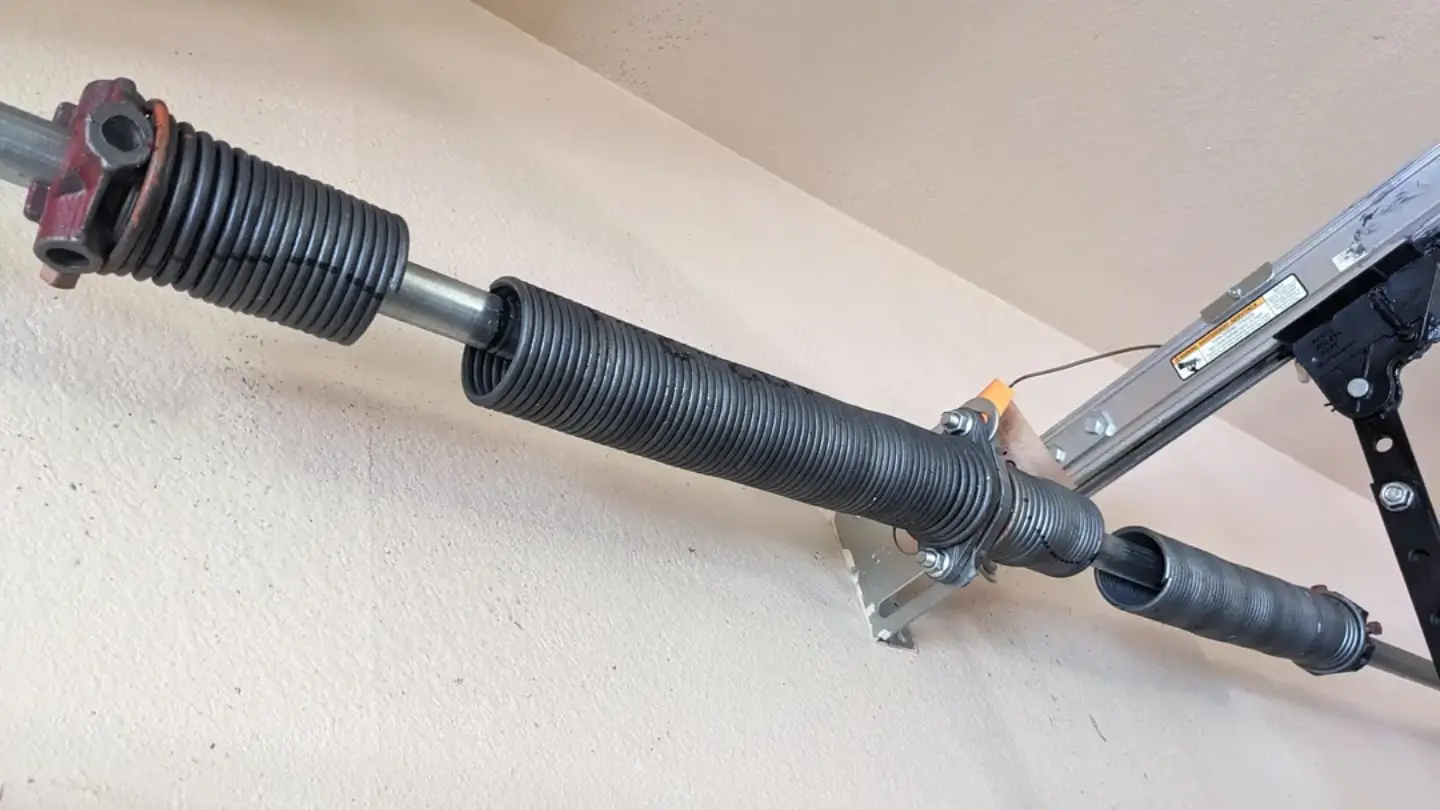
Take a look at the torsion spring above your door (the horizontal bar along the top). If you see a gap — a section where the coils are separated — that spring has broken. Extension springs, which run along the sides of the door, can also snap in a way that's visible. Either way, a broken spring means your door should not be operated until it's replaced. Continuing to use it can cause damage to the door, the opener, and in rare cases, a safety risk.
5. The Door Looks Crooked When It Moves
If one side of your door rises faster than the other, or the door looks uneven or lopsided as it moves, that can point to a spring that's worn out on one side. When springs lose tension unevenly, it throws the whole door off balance. Left unchecked, that imbalance puts stress on the tracks, cables, and opener — things that are a lot more expensive to replace than a spring.
What Should You Do If You Notice These Signs?
Don't wait until the spring breaks completely. A spring that's showing warning signs is much easier — and safer — to deal with proactively. Garage door springs are under a lot of tension and should always be replaced by a professional. This isn't a DIY project.
If you're not sure how much life your springs have left, we built a free tool just for this.
👉 Try our free SpringStatus™ tool — it calculates the estimated lifespan of your springs in seconds, so you know where you stand.
And if you'd rather just have someone take a look, we're always happy to help. Give us a call or text, and we'll get you scheduled.
— The Isabella Garage Door Team Serving Mt. Pleasant, Clare, Alma, Coleman, Shepherd & all of Central Michigan
You May Also Like

The Garage Door Is Part of the Photo: A Prom Send-Off Checklist for Central Michigan Families
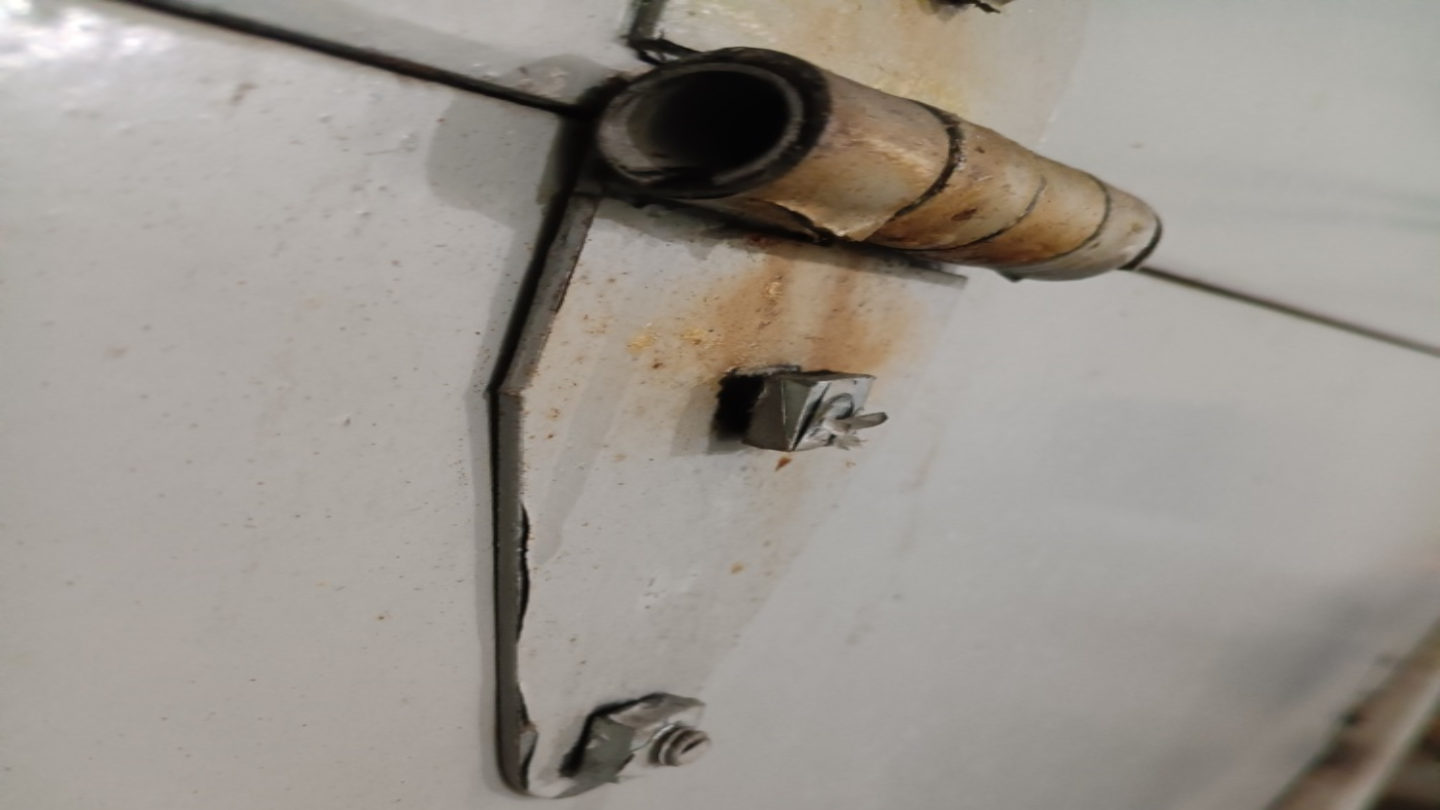
Loose Garage Door Bolts: Why They Cause Problems and How to Fix Them
Every open and every close sends vibration through every bolt holding everything together. That constant vibration works fasteners loose.

Why We Love Serving Mt. Pleasant, MI
Why Mount Pleasant is special to us