
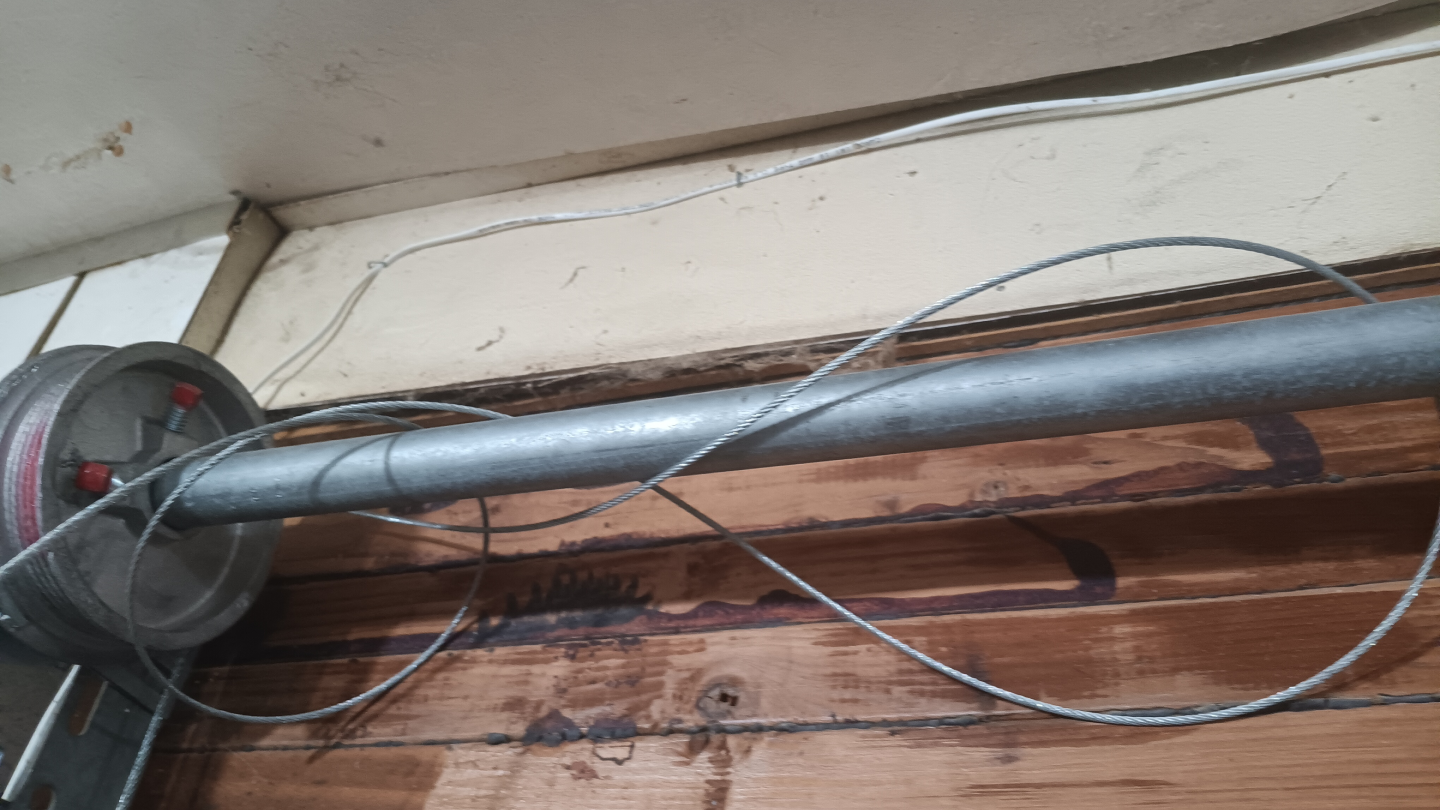
Some garage door calls sound worse than they are. A homeowner reached out with a door that had stopped working. One side wasn't moving right, the door was sitting crooked, and the whole thing had just quit cooperating.

2026-01-12
Understanding Garage Door Weight: Why It Matters for Everything
When most homeowners think about their garage door, weight rarely comes to mind. We focus on convenience, appearance, and whether it opens and closes reliably. However, your garage door's weight is one of the most critical factors affecting everything from safety and performance to maintenance costs and energy efficiency.
Understanding garage door weight isn't just technical trivia – it's essential knowledge that impacts your daily life, your wallet, and your family's safety. Whether you're buying a new door, troubleshooting problems, or planning maintenance, weight considerations touch every aspect of garage door ownership.
How Much Does a Garage Door Actually Weigh?
The weight of garage doors varies dramatically based on size, material, and construction:
Single Car Garage Doors (8' x 7'):
- Steel (uninsulated): 85-110 pounds
- Steel (insulated): 110-140 pounds
- Wood: 120-180 pounds
- Aluminum: 70-90 pounds
- Composite/vinyl: 80-120 pounds
Double Car Garage Doors (16' x 7'):
- Steel (uninsulated): 155-225 pounds
- Steel (insulated): 200-290 pounds
- Wood: 250-400 pounds
- Aluminum: 130-180 pounds
- Composite/vinyl: 160-240 pounds
Oversized or Commercial Doors: Can weigh 300-800 pounds or more, depending on dimensions and materials.
These numbers surprise most homeowners. A typical double-car garage door weighs about as much as a motorcycle, and some wooden doors approach the weight of a small car.
Why Material Makes Such a Huge Difference
Steel Doors: The most popular choice offers a good balance of weight, durability, and cost. Insulated steel doors weigh more due to the foam core but provide better energy efficiency.
Wood Doors: Naturally heavy due to density, with solid wood doors being the heaviest option. The weight varies significantly based on wood type – cedar is lighter than oak.
Aluminum Doors: The lightweight champion, but this comes with trade-offs in durability and insulation properties.
Composite Materials: Engineered to balance weight with performance, often mimicking wood appearance without the extreme weight.
How Weight Affects Your Garage Door Opener
Your garage door opener isn't just lifting a door – it's managing hundreds of pounds of material multiple times daily.
Horsepower Requirements:
- 1/3 HP: Suitable for lightweight single doors (under 100 lbs)
- 1/2 HP: Standard for most single doors and light double doors
- 3/4 HP: Heavy single doors or standard double doors
- 1 HP or more: Heavy double doors, oversized doors, or commercial applications
Opener Lifespan: Heavier doors significantly reduce opener lifespan. An opener rated for 150 pounds will wear out quickly if consistently lifting a 250-pound door. The motor works harder, components stress more, and failures occur sooner.
Energy Consumption: Heavier doors require more energy to operate. While the difference might seem small per operation, it adds up over thousands of cycles annually.
The Critical Role of Springs in Weight Management
Garage door springs are the unsung heroes that make heavy doors manageable. They're designed to counterbalance the door's weight, making it feel nearly weightless when properly adjusted.
Torsion Springs: Used on heavier doors, these coiled springs above the door opening twist to store and release energy. They're sized specifically for your door's weight.
Extension Springs: Found on lighter doors, these stretch and contract along the tracks. Multiple springs may be needed for heavier doors.
Spring Failure: When springs break, the full weight of the door suddenly becomes the opener's responsibility. This is why garage doors become extremely difficult to lift manually and why openers often fail shortly after spring breakage.
Safety Implications of Heavy Doors
Weight directly correlates with danger potential:
Crushing Risk: A 200-pound door falling unexpectedly can cause severe injury or death. This is why safety cables and proper maintenance are crucial.
Manual Operation Hazards: During power outages, manually operating heavy doors becomes dangerous. Doors over 150 pounds can be nearly impossible for some people to lift safely.
Spring Tension: Heavier doors require higher-tension springs, which store more dangerous energy when they break. Professional installation and repair become more critical as door weight increases.
Emergency Release Dangers: The emergency release cord can be particularly hazardous with heavy doors, as disengaging the opener can cause rapid, uncontrolled descent.
Installation Challenges and Costs
Door weight significantly affects installation complexity and cost:
Structural Support: Heavier doors may require additional framing or header reinforcement. Your garage's structure must support not just the door's weight, but also the dynamic forces during operation.
Hardware Requirements: Heavy doors need beefier tracks, rollers, hinges, and mounting hardware. These components cost more and require more precise installation.
Professional vs. DIY: While lightweight aluminum doors might be DIY-friendly for experienced homeowners, heavy wood or steel doors almost always require professional installation for safety and warranty reasons.
Weight and Energy Efficiency
The relationship between door weight and energy efficiency is complex:
Insulation Benefits: Heavier insulated doors often provide better energy efficiency, reducing heating and cooling costs.
Operational Energy: However, heavier doors require more energy to operate, though this is typically minimal compared to heating/cooling savings.
Air Sealing: Heavier doors often seal better against weather stripping due to their weight, reducing air infiltration.
Maintenance Implications
Door weight affects every aspect of maintenance:
Spring Replacement Frequency: Heavier doors stress springs more, requiring more frequent replacement. A 300-pound door might need spring service twice as often as a 150-pound door.
Hardware Wear: Rollers, hinges, and tracks wear faster under heavier loads. Regular lubrication becomes more critical.
Opener Maintenance: Heavy doors require more frequent opener adjustments and earlier replacement of drive components.
Balance Issues: Heavy doors show balance problems more dramatically and require more precise adjustment.
How to Determine Your Door's Weight
Check Manufacturer Specifications: If you have documentation, weight should be listed.
Professional Assessment: Garage door technicians can estimate weight based on dimensions and materials.
Spring Markings: Torsion springs often have color codes or markings indicating the door weight they're designed to support.
Rough Calculations: Multiply door area by material weight per square foot:
- Steel (20 gauge): ~2.0-2.5 lbs/sq ft
- Insulated steel: ~2.5-3.5 lbs/sq ft
- Wood: ~3.0-5.0 lbs/sq ft (varies by wood type)
- Aluminum: ~1.5-2.0 lbs/sq ft
Making Weight-Informed Decisions
Choosing a New Door: Consider total cost of ownership, not just purchase price. A heavier door might cost more upfront and throughout its lifetime.
Opener Selection: Don't just meet minimum requirements – exceed them. A slightly oversized opener will last longer and operate more reliably.
Spring Upgrades: Consider upgrading to higher-cycle springs when replacing springs on heavy doors. The extra cost often pays for itself in reduced service calls.
Balance Performance and Weight: The heaviest door isn't always the best. Consider your specific needs for insulation, security, and durability versus the ongoing costs of heavier operation.
Weight Distribution and Balance
Proper Balance: A balanced door should stay in place when manually lifted halfway and released. Imbalance puts extra strain on openers and creates safety hazards.
Section Weight: In sectional doors, individual panel weight affects how the door operates. Replacing one section can throw off the entire door's balance.
Hardware Alignment: Heavy doors are less forgiving of misaligned tracks or worn rollers. Small problems become big problems faster.
Climate Considerations
Temperature Effects: Extreme temperatures affect both door weight (thermal expansion) and spring tension. Heavy doors in harsh climates may require more frequent adjustments.
Moisture Absorption: Wood doors can gain significant weight when absorbing moisture, affecting balance and operation.
Wind Load: Heavier doors handle wind better but create more stress on hardware during high-wind events.
Future-Proofing Your Investment
Plan for Aging: Consider who will be operating the door in 10-20 years. Heavy doors that are manageable today might become problematic as household members age.
Technology Integration: Smart openers work with doors of any weight, but battery backup systems work longer with lighter doors.
Resale Considerations: Extremely heavy doors might limit appeal to future buyers, while well-balanced quality doors add value.
Professional Consultation Value
Load Calculations: Professionals can perform precise load calculations to ensure all components are properly sized.
Code Compliance: Local building codes may have requirements related to door weight and structural support.
Warranty Considerations: Improper component sizing for door weight often voids warranties.
The Bottom Line
Garage door weight isn't just a number – it's a critical factor that influences safety, performance, costs, and longevity of your entire garage door system. Understanding weight helps you make informed decisions about purchases, maintenance, and repairs.
Whether you're dealing with an existing door or planning a replacement, always consider weight in your decision-making process. The few extra minutes spent understanding these implications can save you money, frustration, and potentially prevent dangerous situations.
Remember that heavier isn't always better, and lighter isn't always worse. The best garage door for your situation balances weight with your specific needs for insulation, security, durability, and budget. When in doubt, consult with professionals who can help you navigate these important considerations and ensure your garage door system is properly designed for your door's weight.