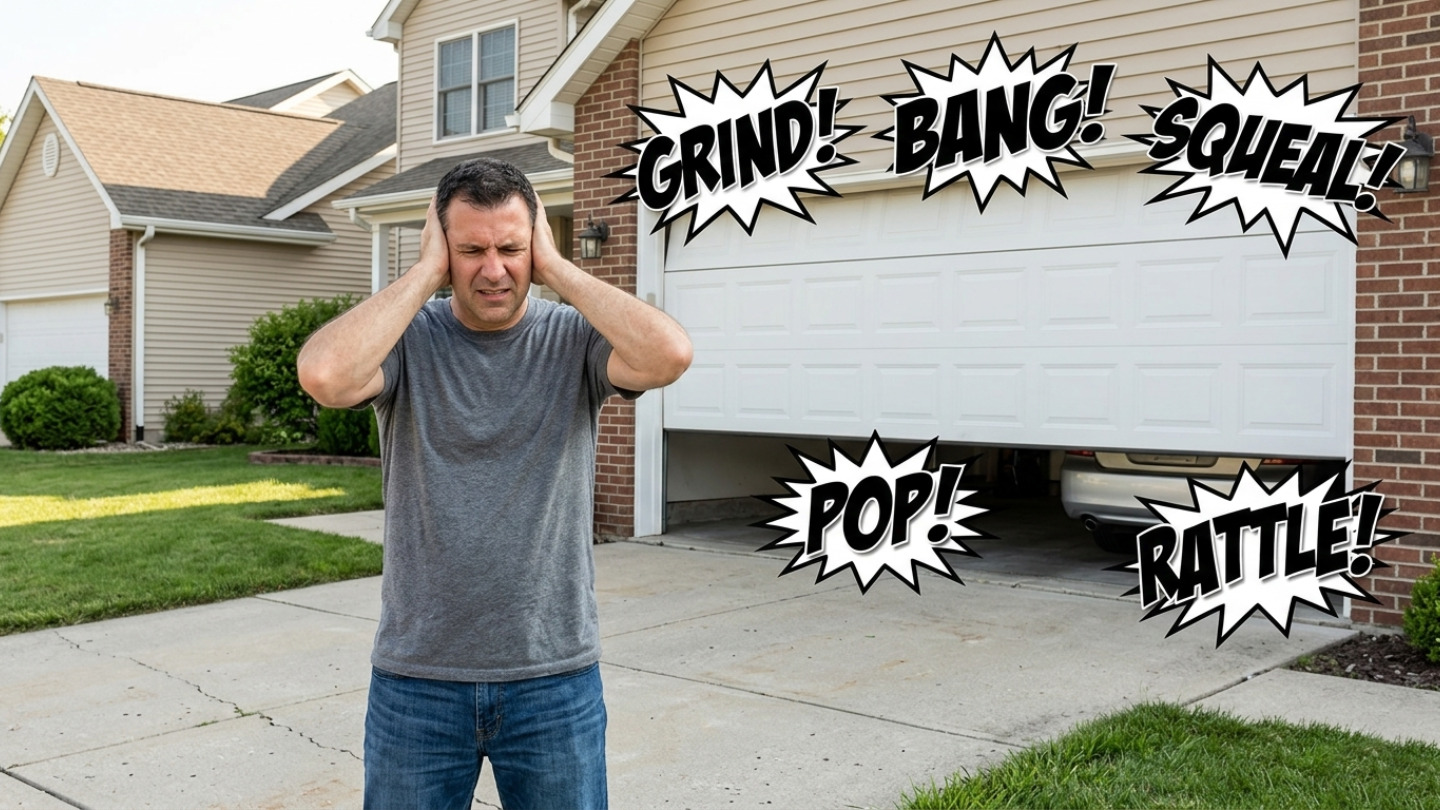
A little bit of noise from a garage door is normal and expected, but when your garage door goes from a quiet hum to a grinding, banging, squealing, or rattling operation — that's your door telling you something.
2025-09-08
Garage Door Openers 101: What Every Homeowner Should Know
Your garage door opener is the heart of your garage door system - the component that transforms a heavy manual door into a convenient automatic entry. Whether you're replacing an aging unit, installing one for the first time, or simply want to understand your options better, this guide will walk you through everything you need to know about modern garage door openers.
Understanding Drive Types: How Your Opener Operates
The drive system is how your opener physically moves your garage door. Each type has distinct advantages and considerations:
Chain Drive Openers
How they work: Chain drives use a metal chain (similar to a bicycle chain) to move the trolley that opens and closes your door.
Advantages:
- Most economical option
- Very durable and reliable
- Good for heavy doors
- Easiest to repair
Considerations:
- Noisiest option
- Require periodic maintenance (lubrication)
Best for: Detached garages or homes where noise isn't a concern, budget-conscious homeowners, and heavier doors.
Belt Drive Openers
How they work: Belt drives use a reinforced rubber, polyurethane, or fiberglass belt instead of a chain.
Advantages:
- Significantly quieter operation
- Smoother door movement
- Less vibration
- Virtually maintenance-free
Considerations:
- Higher cost than chain drives
- May not be as durable in extreme conditions
Best for: Attached garages, especially those with living spaces above or adjacent to them, and homeowners who prioritize quiet operation.
Screw Drive Openers
How they work: Screw drives move the lifting mechanism along a threaded steel rod.
Advantages:
- Fewer moving parts
- Powerful lifting capacity
- Faster opening speeds
- Moderate noise level
- Less maintenance than chain drives
Considerations:
- Can be affected by temperature fluctuations
- May require occasional lubrication
- More expensive than chain drives
Best for: Regions with minimal temperature swings, larger doors, and homeowners who want a balance of performance and noise level.
Direct Drive Openers
How they work: The motor itself moves along the stationary chain, with the motor unit serving as the trolley.
Advantages:
- Extremely quiet operation
- Very few moving parts
- Excellent reliability
- Typically offer long warranties
Considerations:
- Higher price point
- Less common in North America
Best for: Homeowners seeking the quietest, most reliable operation and willing to invest in premium technology.
Jackshaft/Wall-Mount Openers
How they work: These mount on the wall beside the garage door rather than on the ceiling, driving the torsion spring shaft directly.
Advantages:
- Free up ceiling space
- Very quiet operation
- Ideal for garages with unusual architecture
- Excellent security features
Considerations:
- Most expensive option
- Professional installation strongly recommended
- Requires a garage door with a torsion spring system
Best for: Garages with high, sloped, or cathedral ceilings, limited headroom situations, or when you want to maximize ceiling storage space.
Essential Features Worth the Investment
Today's garage door openers offer many features beyond simply opening and closing your door. Here are features that provide real value:
Safety Sensors
What they do: Photoelectric eyes detect objects, pets, or people in the door's path and prevent the door from closing.
Why they matter: These aren't just convenient - they're mandatory on all openers sold since 1993 and prevent accidents and injuries.
Battery Backup
What it does: Allows your garage door opener to function during power outages.
Why it matters: Prevents being locked out of your home or having to manually operate a heavy door during outages. This feature is now required by law in some states, including California.
Rolling Code Technology
What it does: Changes your opener's access code each time the remote is used.
Why it matters: Prevents code theft by ensuring that the previous code cannot be intercepted and reused by potential intruders.
Manual Release
What it does: Allows you to disconnect the door from the opener in emergencies.
Why it matters: Essential during power outages or mechanical failures, allowing manual operation when needed.
Soft-Start and Soft-Stop
What it does: Gradually increases and decreases motor speed when opening and closing.
Why it matters: Reduces wear and tear on both the opener and door, extends system life, and reduces noise.
Motion-Sensing Lights
What they do: Automatically illuminate your garage when movement is detected.
Why they matter: Enhance safety and convenience when entering a dark garage.
Smart Technology: Is It Worth It?
Modern garage door openers can now integrate with smart home systems and offer remote connectivity. Consider these smart features:
Wi-Fi Connectivity
Allows you to monitor and control your garage door from anywhere using a smartphone app. You can:
- Check if your door is open or closed
- Receive alerts when the door is operated
- Open the door remotely for deliveries or family members
Voice Assistant Compatibility
Enables control of your garage door through Amazon Alexa, Google Assistant, or Apple HomeKit:
- "Alexa, close the garage door"
- "Hey Google, is my garage door closed?"
- "Siri, open the garage door"
Camera Integration
Some premium models now include built-in cameras that allow you to:
- See a live feed of your garage
- Record activity
- Have two-way communication with visitors
Smart Home Integration
Connect your garage door with other smart home features:
- Have lights turn on automatically when you open the door
- Set up geofencing to automatically open your door as you approach
- Integrate with home security systems
Access Scheduling
Set specific times when certain access codes will work:
- Limit contractor access to business hours
- Create temporary access for visitors
- Receive notifications when specific codes are used
Horsepower and Lifting Capacity: How Much Do You Need?
Garage door openers are rated by horsepower (HP) or lifting force in newtons. Here's how to choose the right power level:
1/2 HP
- Suitable for standard single-car garage doors
- Good for lightweight doors (aluminum, fiberglass, or non-insulated)
- Most economical option for typical residential use
3/4 HP
- Recommended for standard two-car garage doors
- Appropriate for insulated doors and most wooden doors
- Good middle ground for most residential applications
1+ HP
- Best for oversized, custom, or heavy carriage-style doors
- Recommended for doors over 16 feet wide
- Ideal when door weight exceeds 400 pounds
- Provides faster operation and longer mechanical life
Noise Considerations for Attached Garages
If your garage shares walls with living spaces or has bedrooms above it, noise levels become an important factor:
Quietest Options (in descending order):
- Belt drive with DC motor and soft start/stop
- Direct drive
- Wall-mount/jackshaft
- Belt drive with AC motor
- Screw drive
- Chain drive
Noise Reduction Tips:
- Install vibration isolators between the opener and mounting brackets
- Use rubber grommets for chain/belt tension devices
- Ensure the opener is mounted to solid framing
- Consider a sound-insulated garage door
- Lubricate all moving parts regularly
Professional vs. DIY Installation
While DIY installation can save money, professional installation offers significant benefits:
Benefits of Professional Installation:
- Proper setup of safety systems
- Correct door balance and alignment
- Appropriate mounting to structural elements
- Warranty protection (many manufacturers require professional installation)
- Expert adjustment of force settings and travel limits
- Average installation time of 2-3 hours vs. 8+ hours for first-time DIYers
At [Your Company Name], we include professional setup and thorough testing with every opener installation, ensuring optimal performance and safety.
When to Replace Your Existing Opener
Most garage door openers last 10-15 years, but consider replacement if:
- Your opener was manufactured before 1993 (lacks required safety features)
- Repairs would cost more than 50% of a new unit
- Your opener lacks security features like rolling codes
- You experience consistent reliability issues
- Your opener is excessively noisy
- You want smart home integration
Need Help Choosing? We're Here to Assist
Selecting the right garage door opener involves balancing budget, features, and your specific needs. Contact us today to schedule an appointment or learn more about our professional installation services.
Isabella Garage Door: Serving Mt. Pleasant Michigan and surrounding areas, we specialize in garage door and opener, installation, sales, and service.
You May Also Like
Why Is My Garage Door So Noisy?
Garage Door Openers 101: What Every Homeowner Should Know
What homeowners should know about their garage door opener
How Long Does Garage Door Spring Replacement Take?
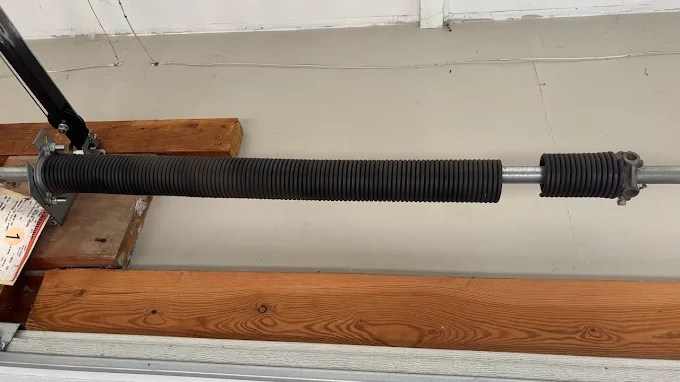
Your garage door spring just broke, you're probably wondering: how long is this going to take? The short answer is that a straightforward torsion spring replacement takes between 45 minutes and 90 minutes once the technician arrives.