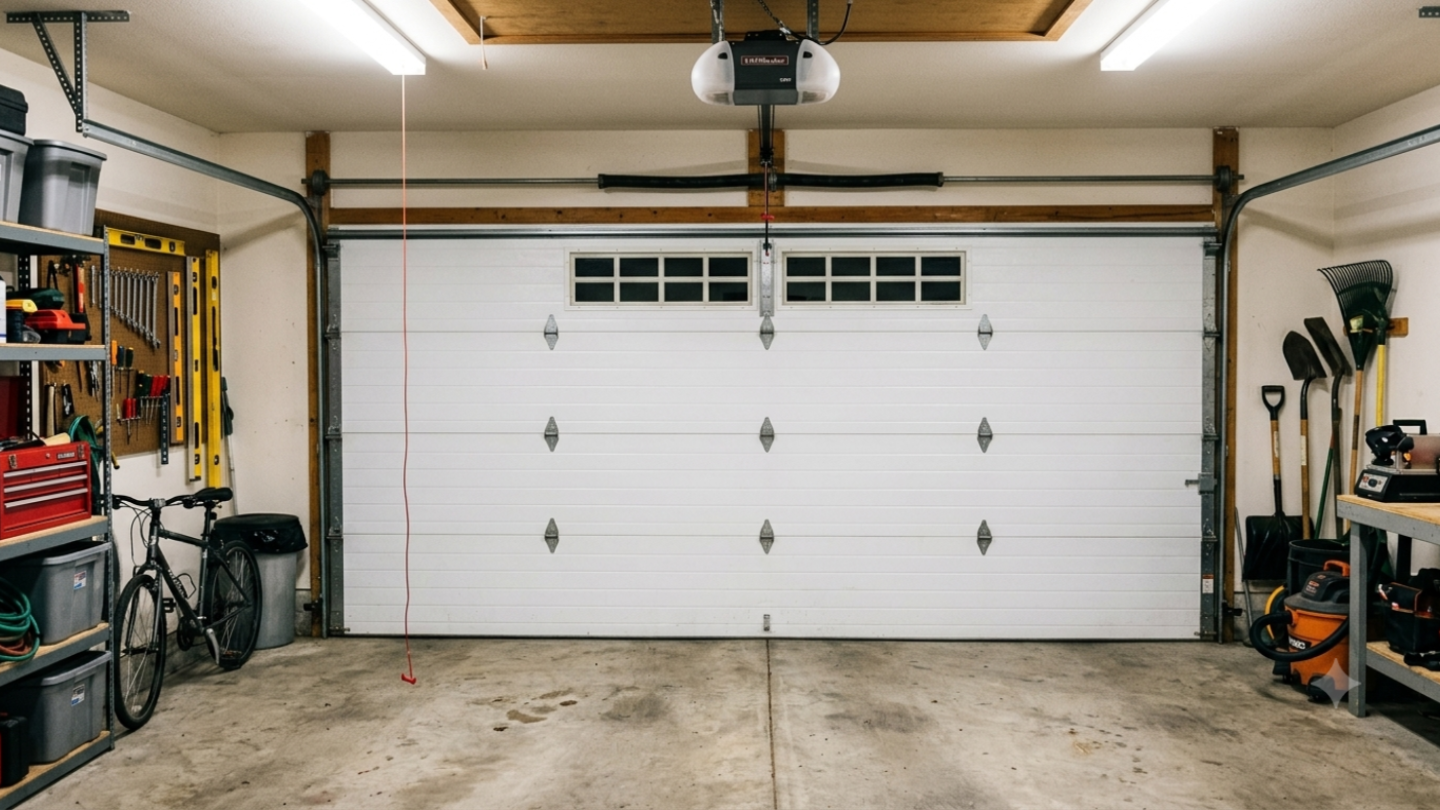
What homeowners should know about their garage door opener
2026-07-19
How Long Do Garage Door Parts Actually Last?
A garage door system is one of the hardest working mechanical systems in your home. The average residential garage door opens and closes somewhere between 3 and 5 times per day — which adds up to over 1,000 cycles per year and tens of thousands of cycles over the life of the system. Each of those cycles puts wear on springs, cables, rollers, hinges, and the opener motor.
Knowing how long each component is designed to last helps you anticipate problems before they become failures, budget for repairs and replacements, and make informed decisions when a technician tells you something needs attention.
Here's a realistic breakdown of the lifespan of every major component in a residential garage door system.
Torsion Springs — 7 to 9 Years (10,000 Cycles)
Torsion springs are rated by cycle count rather than years, because lifespan depends entirely on how often the door is used. The standard spring that comes on most residential doors is rated for approximately 10,000 cycles — one cycle being one open and one close.
At 4 cycles per day, 10,000 cycles works out to roughly 7 years. At 2 cycles per day it could stretch to 13 or 14 years. At 6 or more cycles per day — common in households with multiple drivers — you might see spring failure in 4 or 5 years.
Upgraded springs rated for 25,000 or even 50,000 cycles are available and worth considering if you're already replacing springs. The cost difference is modest relative to the extended service life.
Springs don't usually give much warning before they fail. A loud bang — sometimes described as a gunshot — is the most common sign of a spring breaking. A door that suddenly feels extremely heavy when lifted manually, or an opener that strains and stops on the way up, are signs the spring may be weakening before complete failure.
Garage Door Cables — 8 to 12 Years
Lift cables are steel wire ropes that transfer the spring's energy into controlled, even lifting force on both sides of the door. They're under tension on every cycle and gradually fatigue over time.
Cable lifespan varies based on the quality of the cable, the environment, and how well the overall system is maintained. Cables in humid or salty environments — near a lake or in a coastal area — may corrode faster. A well-lubricated, properly balanced door is gentler on cables than one that's fighting a worn spring or misaligned track.
Signs of cable wear include visible fraying or broken strands along the length of the cable, rust or discoloration, and a door that rises or lowers unevenly. Cables rarely snap without some advance warning if you know what to look for.
Rollers — 10 to 15 Years (Nylon) / 15 to 20 Years (Steel)
Rollers are the small wheels that guide the door along the tracks on each side. Most modern residential doors come with nylon rollers, which run quieter than steel but wear faster.
Standard nylon rollers are typically rated for around 10,000 to 15,000 cycles — similar to a standard spring. Higher quality nylon rollers with sealed ball bearings can last significantly longer. Steel rollers with ball bearings are the most durable option and can outlast the door itself with proper maintenance, though they run louder than nylon.
Worn rollers wobble in the track, develop flat spots, or crack around the edges. A door that shakes, grinds, or runs roughly is often telling you the rollers need attention. Lubrication extends roller life significantly — nylon rollers in particular benefit from periodic silicone lubricant on the stem.
Hinges — 15 to 20 Years
Hinges connect the door sections and allow them to flex as the door travels around the curved portion of the track. They're relatively simple components but take direct load on every cycle.
Hinges are made from stamped steel and are quite durable under normal conditions. Rust is the most common cause of premature hinge failure, particularly on doors in humid environments or garages that aren't climate controlled. A hinge that's cracked, has a loose or worn pivot pin, or is visibly deformed should be replaced.
Regular lubrication with white lithium grease on the pivot points significantly extends hinge life. A squeaking door is often just a hinge that needs lubrication rather than replacement.
Tracks — 20 to 30 Years
The tracks that guide the door from the floor to the ceiling are among the most durable components in the system. Made from heavy gauge steel, they typically outlast most other components by a significant margin.
Tracks don't usually wear out — they get damaged. A vehicle bumping into the vertical section of a track, a heavy impact during a rough door closure, or gradual misalignment from years of use can all cause track problems. A track that's bent, cracked, or significantly out of alignment needs attention, but outright replacement is less common than with other components.
Keeping tracks clean — free of grease buildup and debris — is the most important maintenance step. Tracks should not be lubricated; a buildup of lubricant in the track attracts dirt and causes rollers to slip rather than roll.
Garage Door Opener — 10 to 15 Years
The opener motor unit is the most complex component in the system and has the most variables affecting lifespan. A well-maintained opener on a properly balanced door with good springs can last 15 years or more. An opener working against a heavy, unbalanced door with worn springs may fail in 7 or 8 years.
Chain drive openers are the most durable mechanically but the noisiest. Belt drive openers run quieter but the belt eventually wears. Screw drive openers require the least maintenance but can struggle in temperature extremes — relevant in Michigan where garage temperatures swing dramatically between seasons.
Signs an opener is approaching end of life include grinding or straining sounds during operation, inconsistent response to remotes or wall buttons, and visible wear on the drive mechanism. Safety features — particularly the auto-reverse — should be tested periodically regardless of opener age.
The Garage Door Itself — 20 to 30 Years (Steel) / 15 to 20 Years (Wood)
The door panels themselves are typically the longest-lasting component in the system. Steel doors with a baked-on finish resist rust and fading well and commonly last 20 to 30 years under normal residential use. Insulated steel doors tend to hold up particularly well because the foam core adds structural rigidity.
Wood and wood-overlay doors require more maintenance — periodic painting or staining, sealing the bottom edge to prevent moisture absorption — and have a shorter realistic lifespan of 15 to 20 years if well maintained, less if neglected.
Dents, cracks, and warping are the most common reasons doors are replaced before the end of their functional lifespan. Panel replacement is possible if the damage is limited to one or two sections, but matching panels on older doors can be difficult if the product has been discontinued.
Weatherstripping and Bottom Seal — 5 to 10 Years
Weatherstripping is the shortest-lived component in a garage door system and the most commonly overlooked. The rubber seals along the sides, top, and bottom of the door are exposed to UV rays, temperature extremes, and physical wear from the door's daily movement.
A bottom seal that's cracked, stiff, or missing sections lets in water, insects, and cold air. Side and top weatherstripping that has hardened or pulled away from the frame no longer seals effectively. Replacement is inexpensive and straightforward — and makes a noticeable difference in garage temperature, pest control, and noise.
The Bottom Line
No single component in a garage door system fails on a fixed schedule, but understanding the general lifespan of each part helps you stay ahead of problems rather than react to them. A system that gets regular lubrication, periodic inspection, and prompt attention when something seems off will consistently outlast one that runs until something breaks.
Raising Performance. Elevating Standards.
You May Also Like
Garage Door Openers 101: What Every Homeowner Should Know
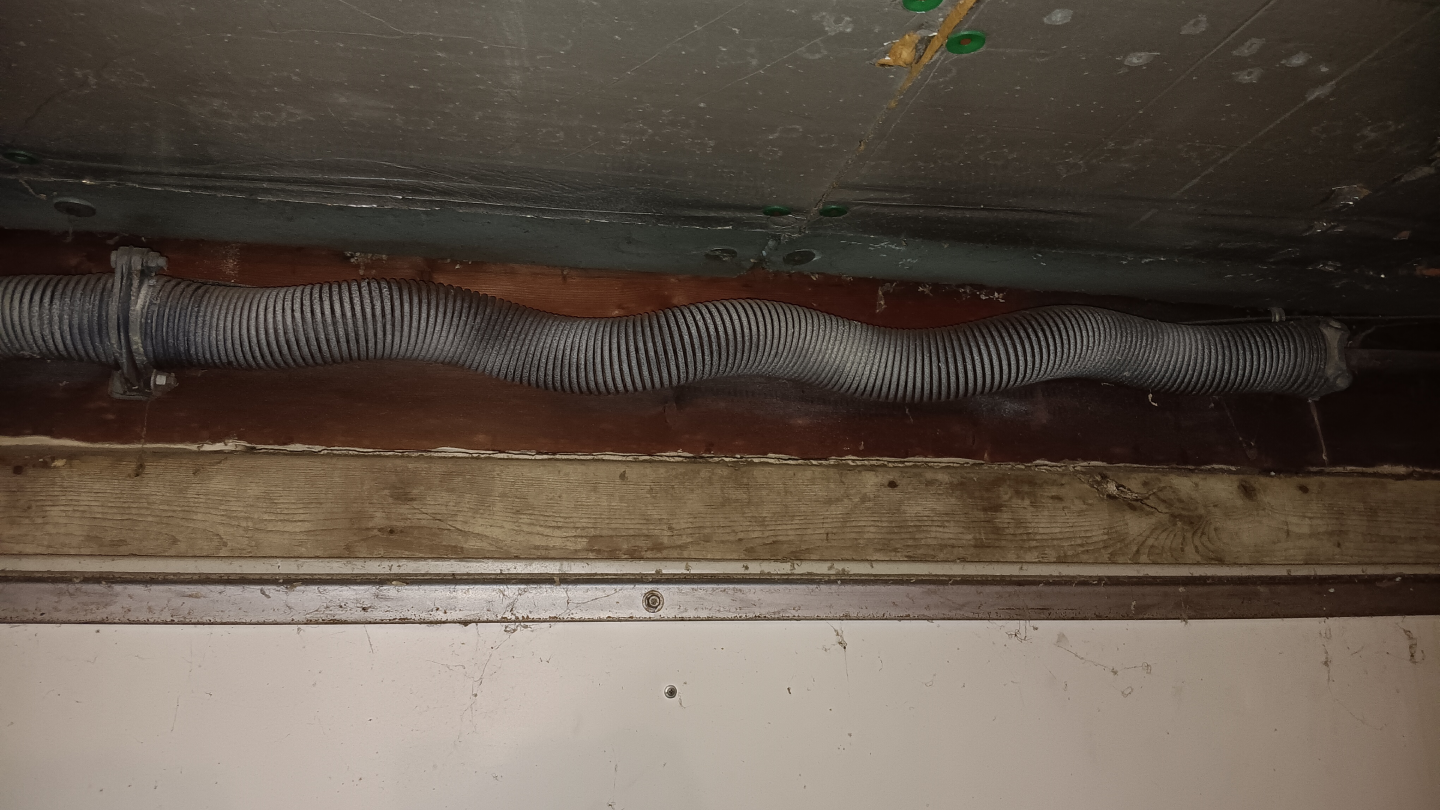
How Much Does Garage Door Spring Replacement Cost in Mt. Pleasant, MI?
The first question most people ask is: what is this going to cost? It's a fair question, and we're going to give you a straight answer!
Why Is My Garage Door So Noisy?
A little bit of noise from a garage door is normal and expected, but when your garage door goes from a quiet hum to a grinding, banging, squealing, or rattling operation — that's your door telling you something.