Every open and every close sends vibration through every bolt holding everything together. That constant vibration works fasteners loose.
2025-10-06
How to Spot Garage Door Issues Before Buying a Home
A garage door is one of the largest moving parts in a home—and one of the most overlooked during the buying process. While a home inspection may cover the basics, it’s smart to know what to look for yourself so you can avoid surprise repair bills after you move in.
Here’s a quick checklist to help you spot potential garage door issues before you sign on the dotted line.
1. Look for Visible Wear and Damage
Walk around the door and check for:
- Dents, cracks, or warping in the panels
- Rust spots on steel doors
- Rot or peeling paint on wooden doors
- Gaps along the edges that could let in pests or weather
These can be signs of neglect, poor maintenance, or previous damage.
2. Test the Door’s Movement
Ask the current owner or agent to operate the door while you watch. Look for:
- Jerky or uneven movement
- Excessive shaking or rattling
- The door stopping before it’s fully open or closed
A smooth, quiet operation is a good sign. Anything else could mean worn rollers, bent tracks, or opener problems.
3. Listen for Unusual Noises
Grinding, squealing, or loud banging sounds often mean parts are worn or in need of lubrication. While some noise issues are minor fixes, others can indicate more expensive repairs.
4. Inspect the Springs and Cables
Without touching them (for safety), visually check:
- Springs for rust, gaps, or stretching
- Cables for fraying or corrosion
If these parts fail, the door may become unsafe to use—and repairs can be costly.
5. Check Safety Features
Modern garage doors should have:
- Photo-eye sensors near the floor on each side of the door
- Auto-reverse function that stops and reverses if the door meets resistance
If these aren’t present or aren’t working, it’s both a safety and a negotiation point.
6. Look at the Opener
See if the opener:
- Responds quickly to the remote or wall button
- Has a backup battery (for newer models)
- Shows signs of age or exposed wiring
Older openers may lack modern safety and security features like rolling code technology.
7. Ask About Maintenance History
A well-maintained door can last decades. Ask the seller:
- When was the last tune-up?
- Has the door ever been replaced?
- Were major parts like springs or the opener recently serviced?
Bottom Line
The garage door might not be the first thing you think about when touring a home—but it should be on your radar. Catching issues early can help you budget for repairs, negotiate a better price, or avoid a costly surprise.
Need a professional opinion before buying?
At Isabella Garage Door, we offer pre-purchase garage door inspections so you can buy with confidence. We’ll check every component and give you a clear picture of the door’s condition before you make your decision.
You May Also Like
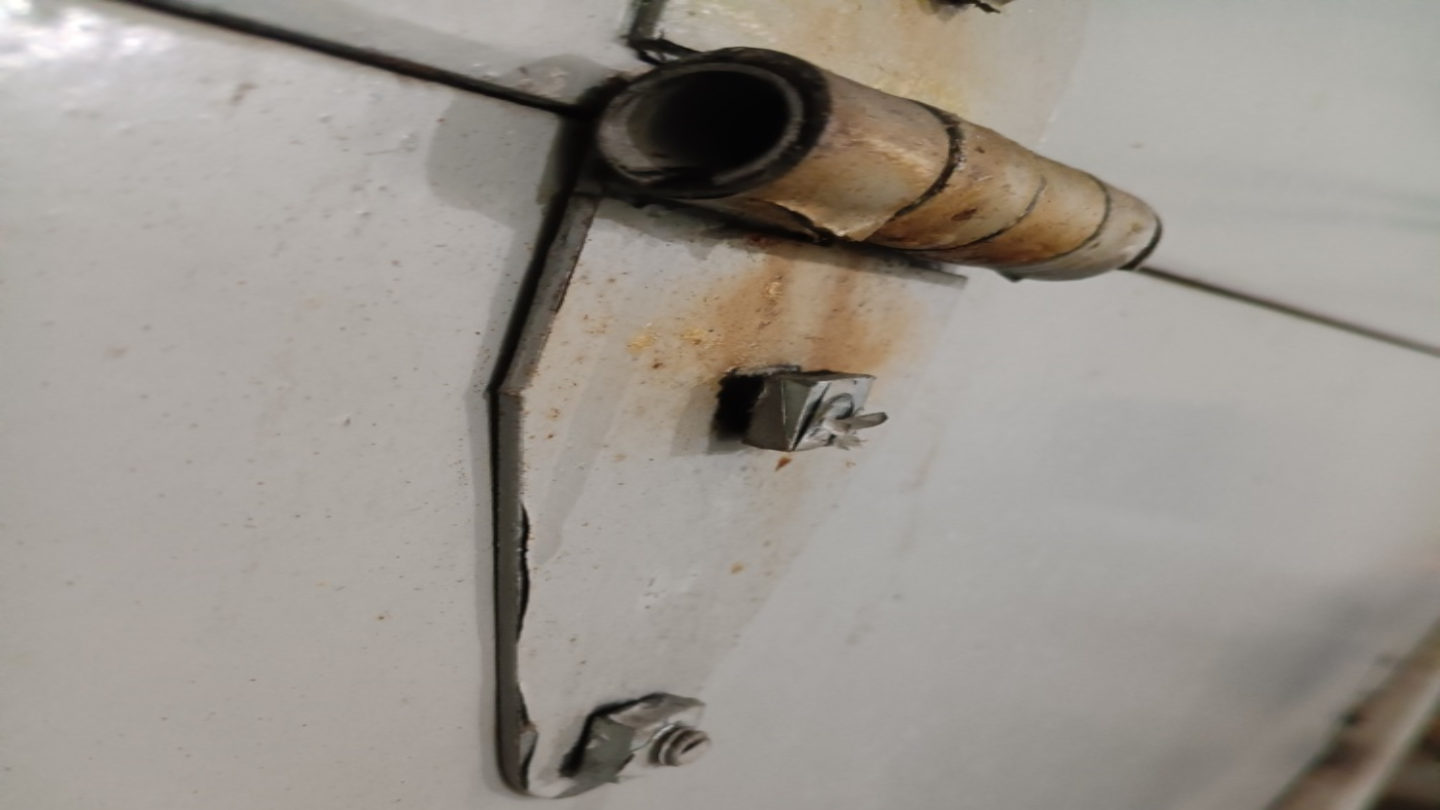
Loose Garage Door Bolts: Why They Cause Problems and How to Fix Them
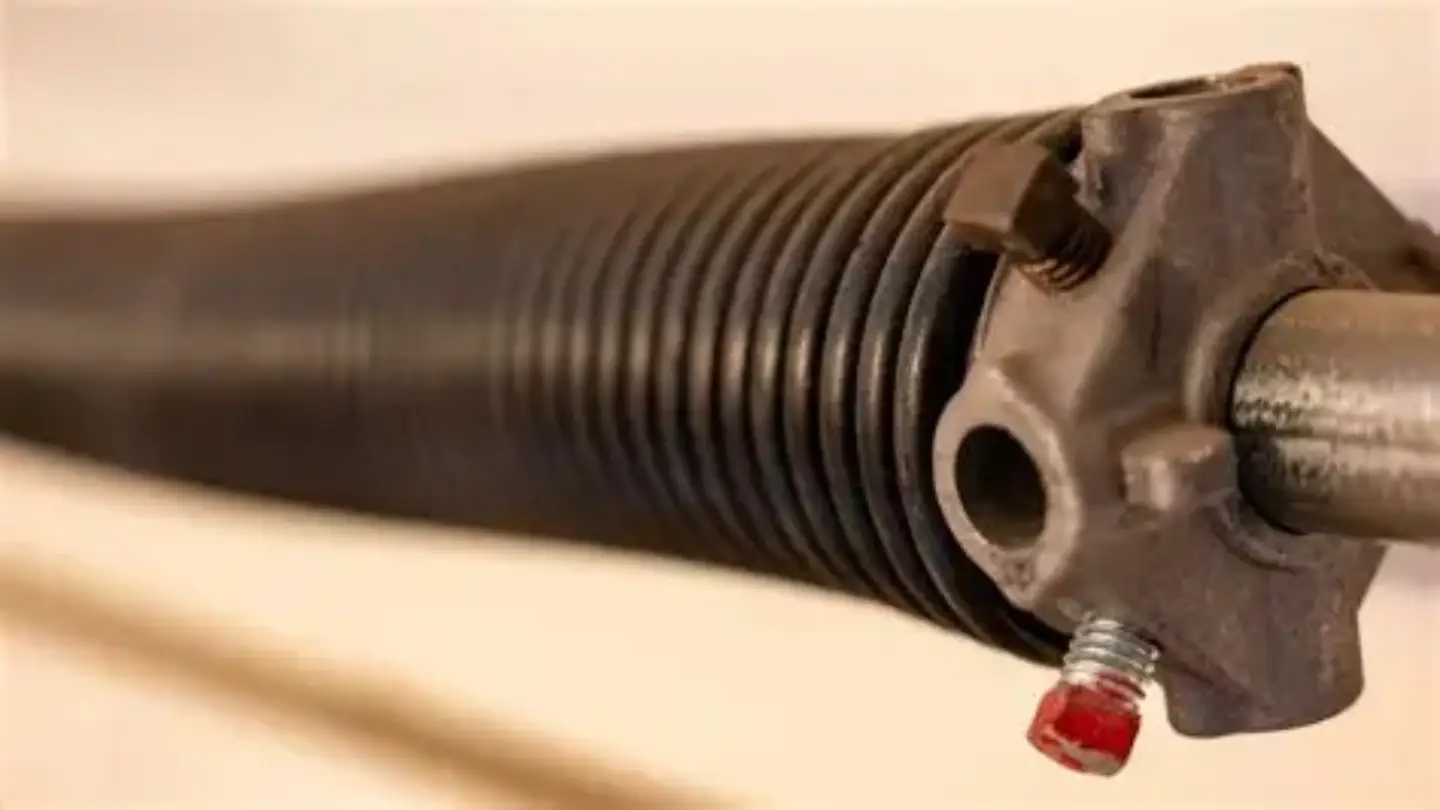
Torsion vs Extension Springs: Which Garage Door Spring Is Right for You?
you might be wondering about the difference between torsion and extension springs
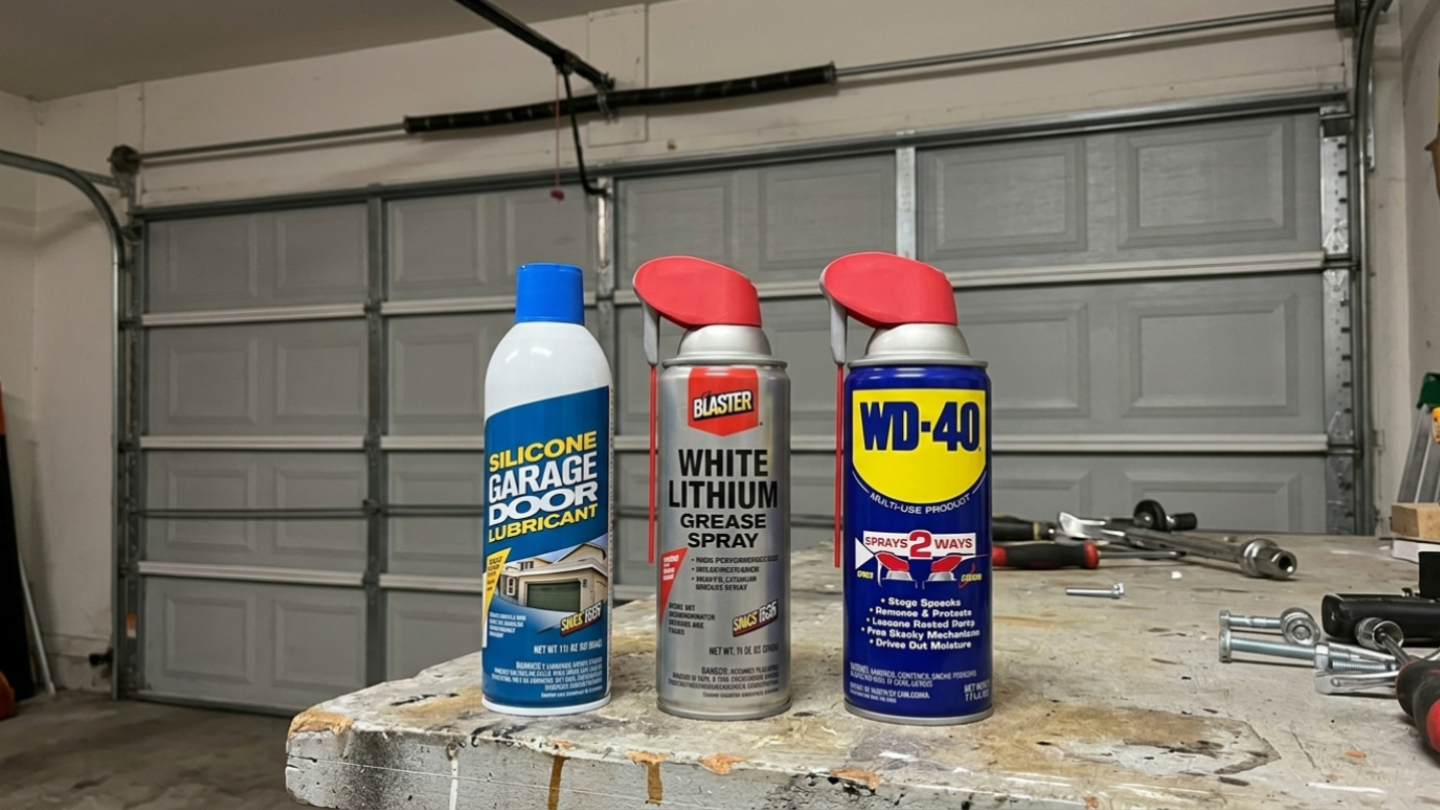
Which Lubricants Belong on Your Garage Door — Silicone vs. White Lithium Grease
There are three products that come up constantly in conversations about garage door maintenance: silicone-based lubricant, white lithium grease, and WD-40. Two of them belong on your door. One of them doesn't.