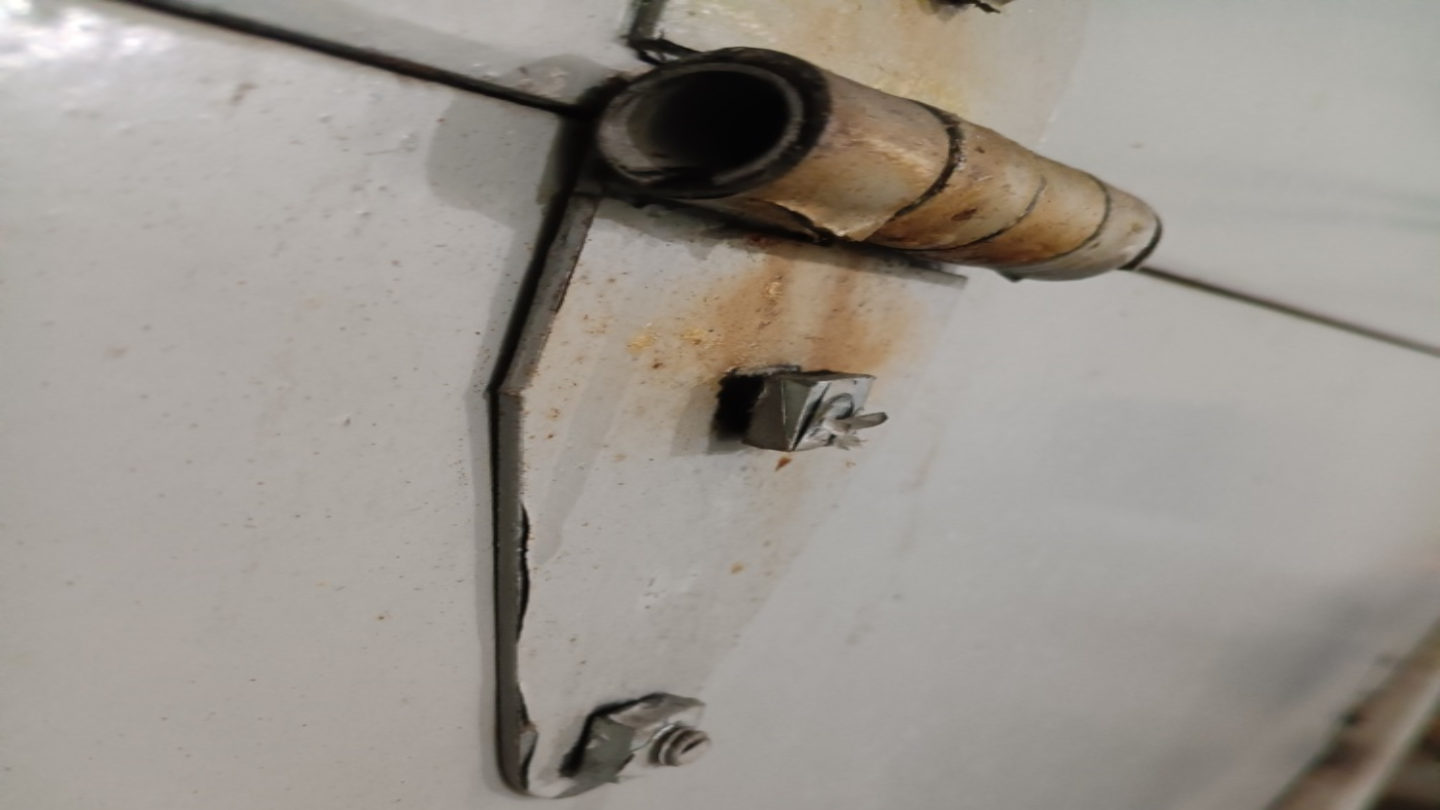
Every open and every close sends vibration through every bolt holding everything together. That constant vibration works fasteners loose.
2026-08-18
Why You Should Convert Your Garage Door to Torsion Springs
If your garage door uses extension springs — the long, stretched springs that run horizontally along the sides of the tracks — there's a good chance you've never given them much thought. They work, the door goes up and down, and that's that.
But if you're ever in the position of replacing those springs, it's worth having a conversation about converting to torsion springs instead. For most homeowners, it's one of the better long-term investments you can make in a garage door system — and one that pays off in safety, performance, and longevity.
Here's why.
First — What's the Difference?
Before getting into the reasons to convert, it helps to understand what you're converting from and to.
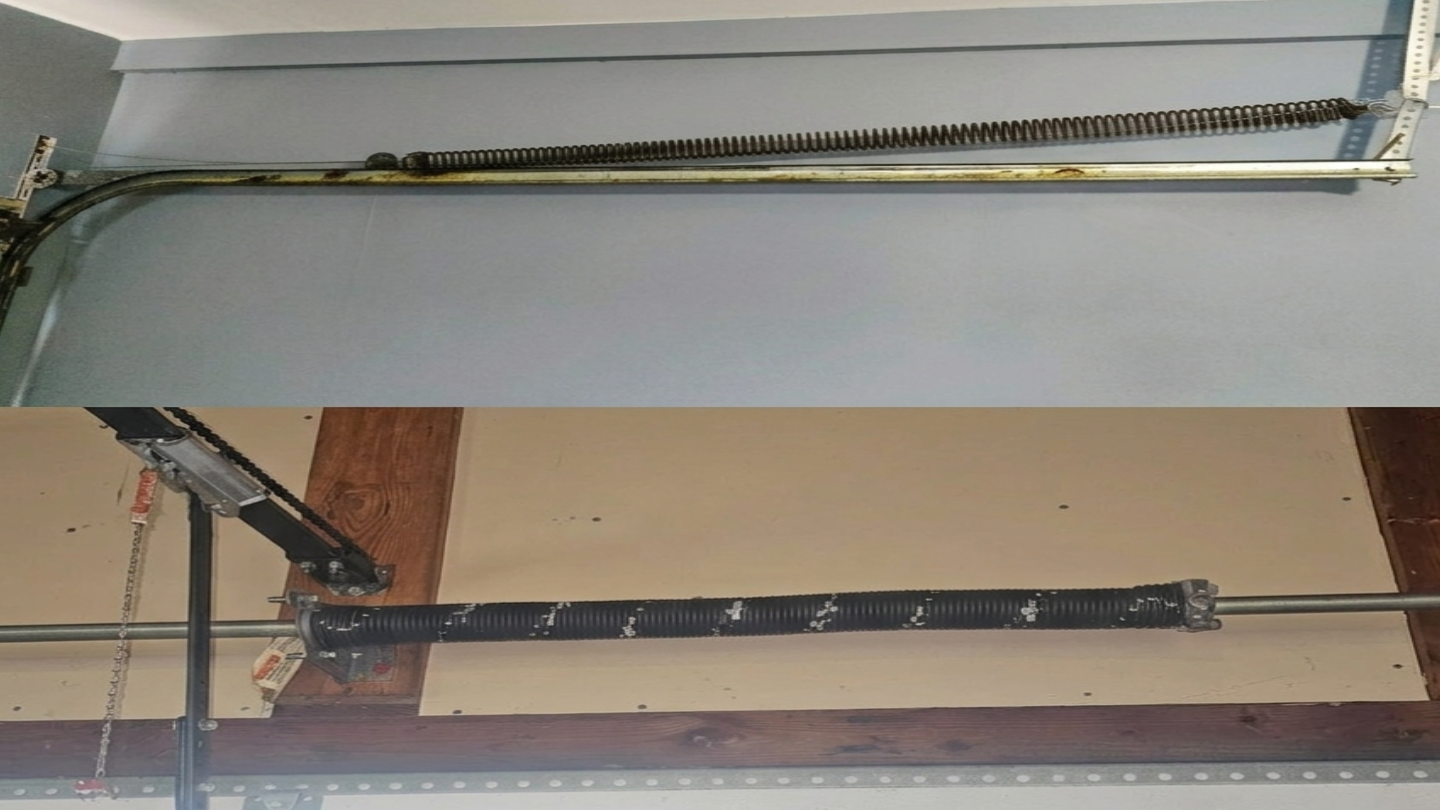
Extension springs are the older and more common spring type on single-car doors and lower-clearance garages. They're mounted horizontally on both sides of the door, above the horizontal tracks. When the door closes, the springs stretch under tension. When the door opens, that tension releases and helps lift the door. There are typically two extension springs — one on each side.
Torsion springs are mounted on a horizontal steel shaft directly above the door opening. Instead of stretching, they twist — storing energy through torque as the door closes and releasing it in a controlled way as the door opens. Most double car doors come with torsion springs from the factory, and torsion systems are increasingly standard on newer single car door installations as well.
The mechanical difference between the two systems produces some significant practical differences for the homeowner.
Reason 1: Safety
This is the most important reason to consider conversion, and it's worth being direct about.
When an extension spring breaks — and all springs break eventually — it releases its stored energy suddenly and violently. The spring is under significant tension, and a broken spring can whip across the garage at high speed, damaging vehicles, walls, and anything else in its path. Safety cables are supposed to be threaded through extension springs to contain them if they break, but these cables aren't always installed, and even when they are, they don't eliminate the hazard entirely.
When a torsion spring breaks, it also releases energy suddenly — but because it's mounted on a contained shaft above the door, that energy is far more controlled. The spring stays on the shaft. There's no projectile. The door simply stops working rather than sending hardware flying through the garage.
For a garage where kids play, where people park expensive vehicles, or where tools and equipment are stored, that difference matters.
Reason 2: Longer Lifespan
Standard extension springs are typically rated for around 10,000 cycles — one cycle being one open and one close. Standard torsion springs carry the same 10,000 cycle rating, but high-cycle torsion springs rated for 25,000 or 50,000 cycles are widely available and only modestly more expensive.
There's no equivalent high-cycle upgrade available for extension springs. If you want a longer-lasting spring system, torsion is your only path to it.
For a household that uses the garage door 4 to 6 times per day, upgrading to high-cycle torsion springs at the time of conversion can mean going 15 to 20 years before springs need attention again instead of 5 to 7.
Reason 3: Smoother, More Balanced Operation
Extension springs lift the door by pulling on each side independently. If the two springs aren't perfectly matched in tension — which happens over time as springs age at slightly different rates — the door can rise unevenly, putting unbalanced stress on the cables, rollers, and opener.
Torsion springs lift through a single shaft that runs the full width of the door. The force is distributed evenly across both sides simultaneously, which means the door rises and lowers in a more balanced, controlled motion. This is easier on every other component in the system — cables wear more evenly, rollers last longer, and the opener doesn't have to compensate for an unbalanced load.
A door on a torsion system simply feels better to operate. The movement is smoother and more controlled, and the system is quieter overall because the single-point lift eliminates the side-to-side tension that can cause extension spring systems to rattle and shake.
Reason 4: Less Space, Cleaner Installation
Extension springs run the length of the horizontal track on both sides of the door — they take up space in the upper corners of the garage and can interfere with storage, lighting, and anything else mounted near the ceiling along the sides.
Torsion springs consolidate everything to the shaft above the door opening. The horizontal tracks stay clear, and the upper sides of the garage are free for whatever else you need up there. For garages that double as workshops or storage spaces, that's a meaningful practical difference.
Reason 5: Easier Maintenance
A torsion spring system has fewer moving parts than an extension spring system. Extension springs require two springs, two safety cables, two pulleys, and the associated hardware for each side. Torsion systems use one shaft, one or two springs depending on door size, and a cleaner overall assembly.
Fewer parts means fewer things to wear out, fewer things to inspect, and a more straightforward maintenance routine. Lubrication on a torsion system — running white lithium grease along the spring coils and hitting the bearing plates — is quick and accessible. Extension spring systems have more contact points spread across a wider area.
What About TorqueMaster Springs?
Wayne Dalton garage doors introduced the TorqueMaster spring system as a proprietary alternative to standard torsion springs. Instead of an exposed spring on an open shaft, TorqueMaster encloses the spring inside a hollow tube above the door. The idea was to make the system safer by containing the spring — no exposed coils, no winding bars required for installation.
In practice, TorqueMaster has developed a mixed reputation among technicians.
The enclosed design makes the spring nearly impossible to inspect without disassembly. You can't see whether the spring is corroding, losing tension, or approaching failure the way you can with a standard torsion spring. When a TorqueMaster spring fails, diagnosing it often requires more time and labor than a standard spring job.
Replacement springs are also proprietary — you can't substitute a standard torsion spring into a TorqueMaster tube. That means sourcing is more limited and parts can be harder to find, particularly for older systems. Some technicians carry TorqueMaster springs; many don't.
When a TorqueMaster spring fails, many homeowners use it as an opportunity to convert the door to a standard torsion spring system. The conversion requires replacing the spring hardware and typically the drums and cables as well, but the result is a system that any technician can service with standard parts — and one that can be inspected visually at any time.
Is Conversion Right for Every Door?
Most residential garage doors can be converted from extension to torsion springs. The main requirement is adequate headroom above the door — torsion hardware needs a few inches of clearance above the door opening to mount the shaft and spring assembly. Most standard residential garages have sufficient headroom, but low-clearance installations may have limitations.
A technician can assess your specific setup and confirm whether conversion is feasible, what spring size is appropriate for your door's weight, and whether any additional hardware is needed for the installation.
The Bottom Line
If your extension springs are still in good shape, there's no urgent reason to convert today. But the next time your springs need replacing — and they will need replacing eventually — conversion to torsion is worth serious consideration.
The safety improvement alone makes a compelling case. The longer lifespan, smoother operation, and cleaner installation are reasons that make it even easier to justify.
If you're in Central Michigan and want to know whether your door is a good candidate for conversion, Isabella Garage Door serves homeowners throughout Isabella, Gratiot, Clare, and Mecosta counties. Call or text anytime at 989-572-0303 and we'll take a look.
Raising Performance. Elevating Standards.
You May Also Like
Loose Garage Door Bolts: Why They Cause Problems and How to Fix Them
Garage Door Openers 101: What Every Homeowner Should Know
What homeowners should know about their garage door opener
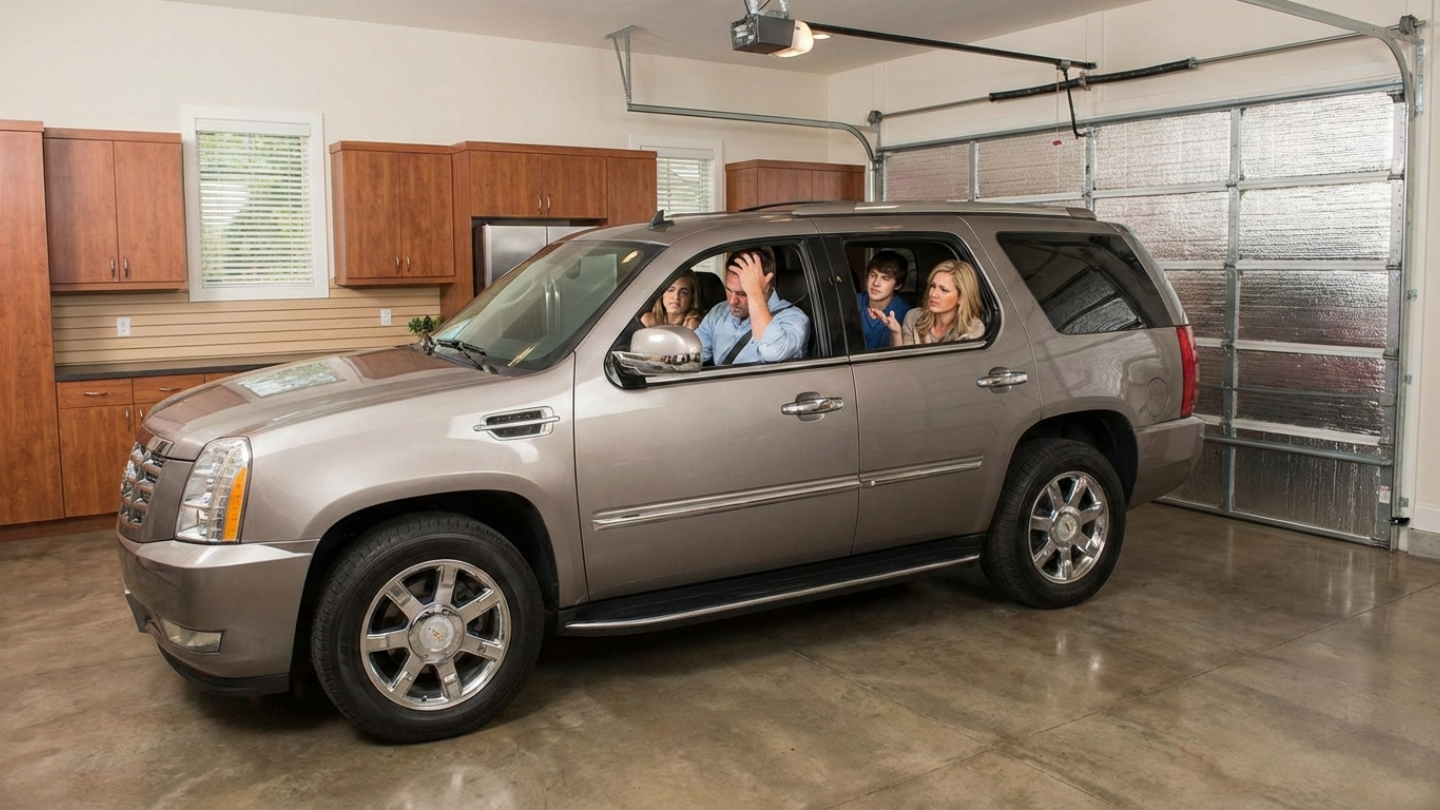
Is Your Garage Door Stuck? Here's What to Check Before Calling for Help
If you're standing in your driveway on a cold central Michigan morning and your garage door refuses to budge, you're not alone. Garage door issues are one of the most common problems homeowners face