What to look for when buying a new home
2026-06-08
How Summer Heat Affects Your Garage Door (And What to Watch For)
Michigan summers have a way of sneaking up on you. One week it's still jacket weather, and the next you're dealing with 90-degree afternoons and humidity that makes the air feel thick. Most homeowners are thinking about air conditioning, lawn care, and keeping the kids busy — not their garage door.
But your garage door is working harder in summer than at almost any other time of year. Heat, humidity, and UV exposure all take a toll on the mechanical and structural components of the system, and the problems that develop in summer often don't make themselves obvious until something stops working entirely.
Here's what's actually happening to your garage door when the temperatures climb — and what to watch for before a minor issue turns into a service call at the worst possible time.
The Garage Gets Hot — Really Hot
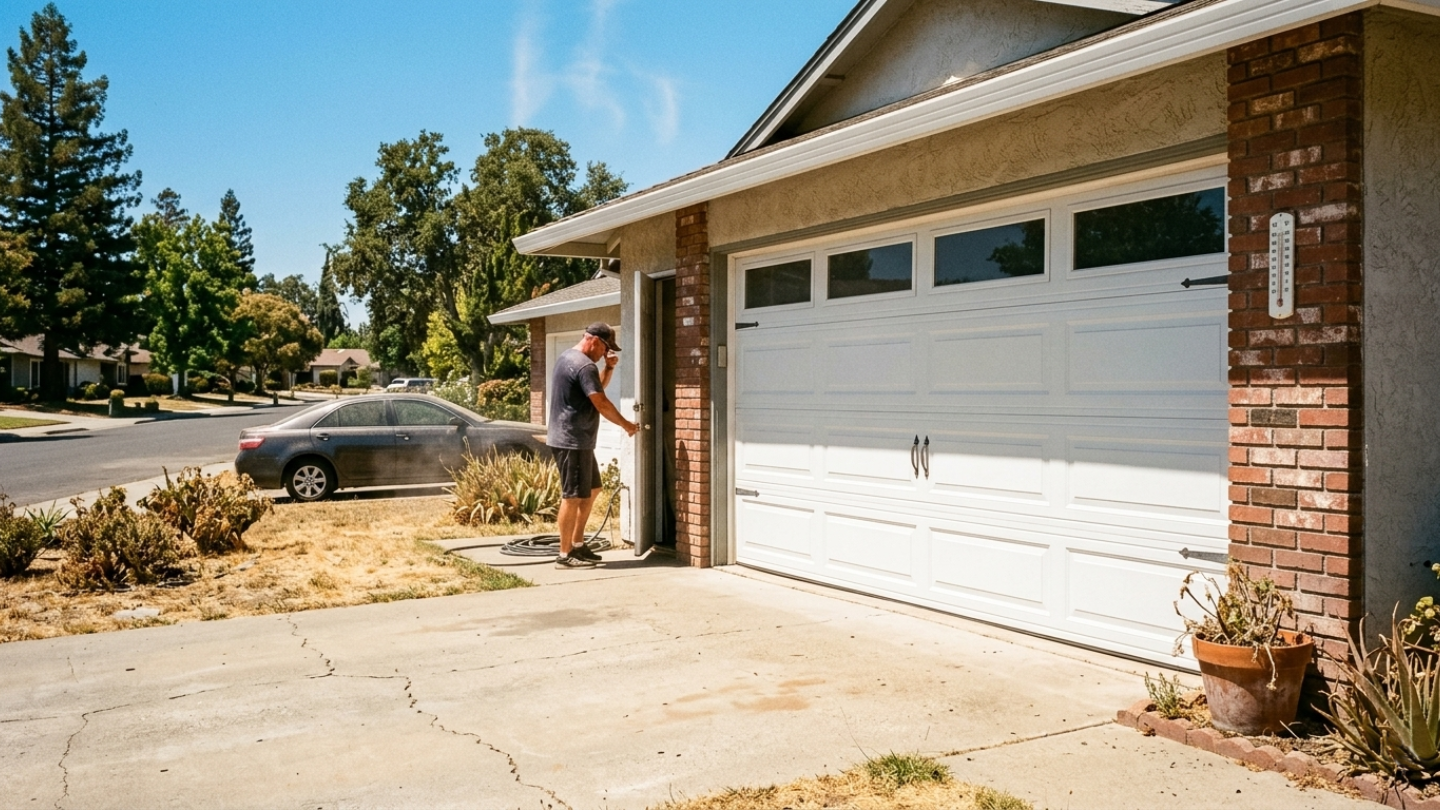
On a 90-degree day, the interior of an attached garage can easily reach 120 to 130 degrees. Detached garages with dark doors and no ventilation can get even hotter. That level of heat affects nearly every component in the system differently, and not always in ways you'd expect.
The opener motor is particularly vulnerable. Garage door openers are designed to operate within a temperature range, and sustained exposure to extreme heat causes the motor to work harder, run hotter, and wear faster. If your opener is already aging — anything over 10 years old — summer heat can accelerate the decline significantly. An opener that's been sluggish or intermittent through the spring may start failing more frequently as temperatures peak in July and August.
Wood Doors Swell, Metal Doors Expand
If you have a wood or wood-overlay garage door, summer humidity is its least favorite season. Wood absorbs moisture from the air and expands, which can cause sections to warp, panels to bow outward, or the door to bind in the tracks as the tolerances tighten. A door that opened smoothly in April may start sticking, dragging, or refusing to close flush by July.
Metal doors handle heat differently — steel and aluminum expand as temperatures rise. On a very hot day, the door itself may be fractionally larger than it was when the weather was cooler. This usually isn't enough to cause problems on a well-maintained door, but if your tracks are already slightly misaligned or your rollers are worn, thermal expansion can push a borderline situation into an actual problem.
Springs Behave Differently in the Heat
Torsion springs — the large coiled springs above your door — are calibrated to counterbalance the weight of the door within a specific tension range. Extreme heat affects the metal's elasticity. Springs that are already nearing the end of their service life may lose tension faster in sustained high heat, which means the door starts feeling heavier to the opener and to you when operating it manually.
Heat also accelerates the normal fatigue cycle of the spring. If your spring is in the last few thousand cycles of its lifespan, a Michigan summer can be the tipping point. A spring that might have lasted through fall could fail in August instead.
The frustrating thing about spring failure is that it's rarely gradual — springs tend to break suddenly, often without much warning. And they always seem to break at the least convenient moment.
Lubrication Dries Out Faster
Whatever lubricant was applied to your rollers, hinges, and springs in the spring will evaporate and break down faster in the heat of summer. Metal-on-metal friction increases, which shows up as more noise — squealing, grinding, or popping during operation — and more wear on the components themselves.
A garage door that was quiet in May and suddenly sounds like it's complaining in July is often just telling you it needs lubrication. But sometimes the noise is a symptom of something more serious developing underneath.
The Sensors Can Get Confused
The photo eyes — the two small sensors mounted near the floor on either side of the garage door — send an infrared beam across the opening. When something interrupts that beam, the door stops and reverses. It's a critical safety feature.
In bright summer sun, especially in the late afternoon when the sun is lower in the sky and shining directly into the garage, the sensors can be temporarily blinded by sunlight. This causes the door to behave erratically — refusing to close, reversing for no apparent reason, or stopping mid-travel. It looks like a malfunction but it's actually a sensor alignment or sun interference issue.
If your door starts acting up in the late afternoon on sunny days, the sensors are the first thing worth checking. Sometimes a simple realignment or shade adjustment resolves it. Other times the sensors themselves have deteriorated from prolonged UV exposure and need to be replaced.
The Weatherstripping Takes a Hit
The rubber seal along the bottom of your door — the bottom weatherstrip — takes direct sun exposure and sits on hot concrete all summer. UV rays and heat cause rubber to dry out, crack, and harden over time. A seal that was pliable and effective in the spring may be stiff and cracked by the end of summer.
Damaged weatherstripping lets in insects, water during rain events, and hot air that drives up the temperature inside the garage even further. It's one of the less dramatic failure points on a garage door system, but it matters for comfort, pest control, and protecting whatever you store in the garage.
What to Watch For This Summer
You don't need to be a garage door technician to notice when something is developing. Pay attention to:
- Increased noise — grinding, squealing, or popping that wasn't there before
- Sluggish operation — the door moving slower than normal, especially on the way up
- Erratic behavior — reversing unexpectedly, stopping mid-travel, or refusing to close on sunny afternoons
- Visual changes — panels that look bowed or warped, weatherstripping that's visibly cracked or pulling away
- The door feeling heavy — if you disconnect the opener and lift manually, a balanced door should feel light. If it feels like you're working for it, the spring tension is off
None of these are emergencies on their own, but each one is a signal worth taking seriously before it becomes one.
When It's Time to Call
Summer is peak season for garage door service calls in Central Michigan — partly because heat accelerates the issues described above, and partly because the longer days and busier schedules mean the door is being used more frequently. More cycles means more wear.
If you're noticing any of the warning signs above, or if your door simply hasn't been serviced in a while, summer is a good time to get a technician's eyes on the full system before a problem develops into a failure.
Isabella Garage Door serves homeowners throughout Isabella, Gratiot, Clare, and Mecosta counties. Call or text anytime at 989-572-0303 — same-day service available when possible.
Raising Performance. Elevating Standards.
You May Also Like
How to Spot Garage Door Issues Before Buying a Home
Can You Install a Garage Door Opener Yourself? Here's What to Check First
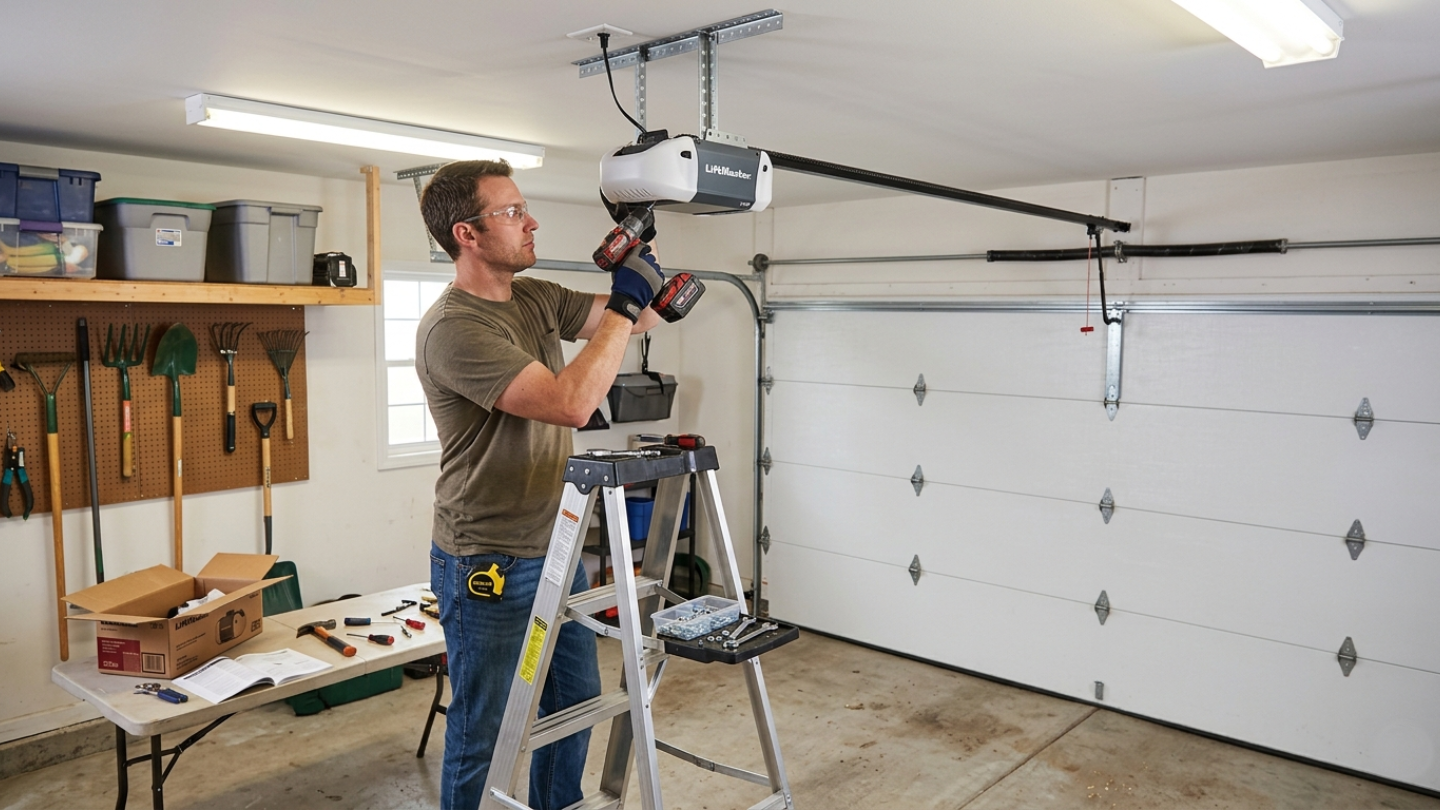
If you're handy and you've got a free Saturday, installing a garage door opener is probably within your ability. The instructions that come in the box are actually pretty decent, and for a straightforward installation, most people can follow them from start to finish without much trouble.
Why You Should Convert Your Garage Door to Torsion Springs
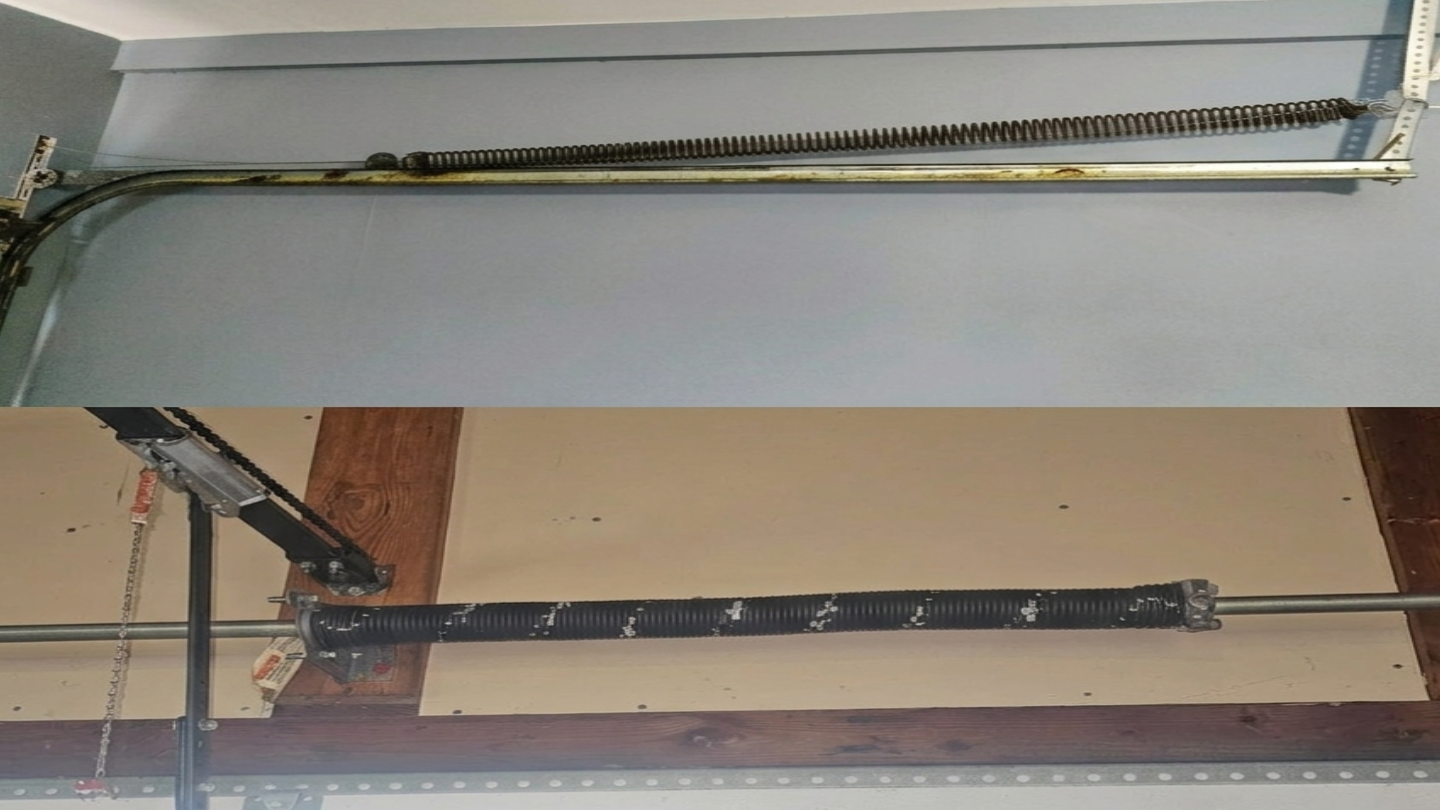
If you're ever in the position of replacing your springs, it's worth having a conversation about converting to torsion springs. Here's why.